SPL Meter — Train Horn Glossary
SPL meter — sound pressure level meter used to measure train horn dB output. Type 1 vs Type 2 IEC 61672, A vs C weighting, why dB ratings need calibrated meters.
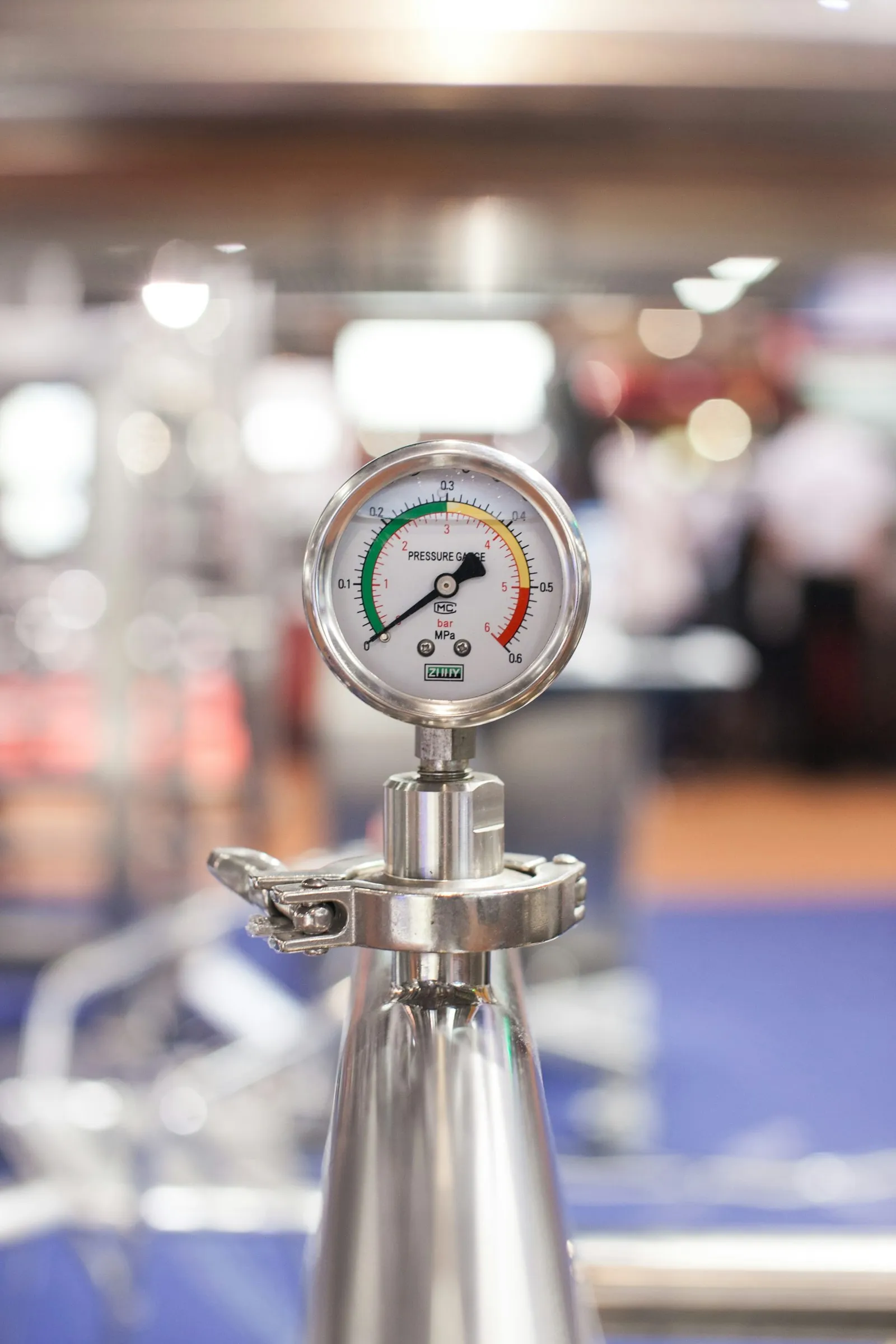
An SPL meter (sound pressure level meter) is the calibrated instrument used to measure train horn dB output. Standard professional SPL meters comply with the IEC 61672 standard and are graded Type 1 (precision, ±0.7 dB) or Type 2 (general-purpose, ±1.0 dB). Mobile-phone “decibel meter” apps are not calibrated and produce readings that vary by 5–15 dB from a Type 1/2 reference instrument — meaning they’re useful for relative comparisons but not for verifying manufacturer dB claims.
- Standard
- IEC 61672
- International precision spec
- Type 1
- ±0.7 dB tolerance
- Lab-grade precision
- Type 2
- ±1.0 dB tolerance
- Field-grade general use
- Frequency range
- 20 Hz–20 kHz
- Full audible band
- Weighting
- A / C / Z (flat)
- A for hearing-damage; C for low freq
- Phone app accuracy
- ±5–15 dB
- Not calibrated; not reliable
What an SPL meter measures
An SPL meter converts air pressure variations (sound) at the microphone into a dB reading. The conversion uses the standard SPL formula:
SPL (dB) = 20 × log₁₀(P / P₀)
where P₀ = 20 μPa (the threshold of human hearing). For more on the dB scale see the decibel glossary entry and Decibels Explained.
A modern digital SPL meter samples the microphone at a high rate, applies the selected frequency weighting, and displays the resulting RMS-averaged SPL in real time.
Type 1 vs Type 2 (IEC 61672)
The international standard IEC 61672 specifies two grades of SPL meter:
- Type 1 — precision class. Tolerance ±0.7 dB across the audible band. Used in research, OSHA noise compliance verification, FRA locomotive horn certification, and specialty acoustic testing.
- Type 2 — general-purpose class. Tolerance ±1.0 dB. Used by HornBlasters and most aftermarket horn manufacturers for product dB ratings, environmental noise surveys, and professional fieldwork.
A Type 1 meter typically costs $1,500+; a Type 2 runs $300–$800. Both must be calibrated annually against a reference acoustic source (typically a 94 dB or 114 dB calibrator at 1 kHz).
A, C, and Z weighting
Standard SPL meters offer three frequency weightings:
- A-weighting (dBA) — filtered to match the human ear’s response curve, with significant attenuation below 250 Hz. Used for hearing-damage thresholds, OSHA limits, environmental noise codes, and human-perception studies.
- C-weighting (dBC) — flatter than A-weighting, especially at low frequencies. Used for measuring loud peak sounds where bass content matters (concert audio, blast monitoring, train horn sub-bass content).
- Z-weighting (dBZ) or “flat” — no filtering. Used for raw SPL measurement across the full audible band.
For train horns sitting in the 300–700 Hz fundamental range plus harmonics extending past 5 kHz, A and C weighting differ by less than 1 dB on most measurements — the horn’s energy is in the band where the A-weighting filter has little effect. Manufacturer dB ratings (HornBlasters, Nathan, Leslie) are typically Z-flat or A-weighted; the difference is small enough to ignore for product comparison.
Why phone apps are unreliable
Free “SPL meter” apps for iPhone and Android use the phone’s built-in microphone, which:
- Has wildly variable frequency response between phone models (no two phones produce the same dB reading from the same source)
- Includes automatic gain control (AGC) circuitry that compresses dynamic range and underestimates loud sounds
- Caps out at ~110–115 dB before clipping — meaning anything above that reads “115 dB” regardless of actual SPL
- Cannot be calibrated against a reference acoustic source
Per the National Institute for Occupational Safety and Health (NIOSH), only their own NIOSH SLM app for iOS has been validated against Type 2 reference meters, and it’s still labeled as “for awareness, not OSHA compliance.” For verified train horn dB measurement, use a Type 1 or Type 2 IEC 61672 meter.
How HornBlasters measures their published dB ratings
Per HornBlasters’ published methodology (HornBlasters: Why Fake Decibel Ratings Mislead Buyers):
- Calibrated professional sound meter (Type 1 or Type 2)
- Microphone at 3 ft from the horn in a free-field environment (no reflective surfaces within ~20 ft)
- Microphone at horn-projection-axis height
- Stable air pressure at the horn’s rated operating PSI
- Unrounded, actual measurements without cherry-picked results
The Shocker XL’s published 147.7 dB and the Nathan K5’s 149.4 dB ratings come from this methodology. Marketing claims of “150–180 dB” without disclosed methodology are usually measured at the bell throat (where SPL is 5–10 dB higher) or simply made up. See The Loudest Train Horns in the World for the full debunking.
Recommended SPL meters for hobby use
If you want to verify train horn dB ratings yourself, common Type 2 IEC 61672 meters in the $300–$500 range:
- Reed Instruments R8050 — Type 2, A/C weighting, max-hold function, ANSI-traceable calibration
- Extech 407732 — Type 2, A/C weighting, USB data logging
- PCE Instruments PCE-322A — Type 2, A/C weighting, peak-hold
For Type 1 precision class, expect $1,500+ for entry models like the Larson Davis 831 or B&K 2250.
Related glossary entries
- Decibel — the unit SPL meters display
- PSI — operating pressure that determines a horn’s measured dB output
- Quiet Zone — communities that suppress horn sounding under FRA rules
Sources
- Wikipedia — Sound level meter (IEC 61672 Type 1/Type 2 spec, A/C/Z weighting)
- HornBlasters — Why Fake Decibel Ratings Mislead Buyers (3-ft test methodology, calibrated-meter requirement)
- NIOSH — Sound Level Meter Apps (validated-app guidance, phone-app accuracy limits)
- Wikipedia — Decibel (dB scale and weighting filter context)
We do not perform hands-on dB testing — see our methodology.