Train Horns by Battery Platform
Portable, battery-powered train horns built around the cordless tool platform you already own. Milwaukee M18, DeWalt 20V MAX, Ryobi 18V ONE+, Makita LXT, plus Bauer / Craftsman / Ridgid / Kobalt. Output, runtime, where to buy.
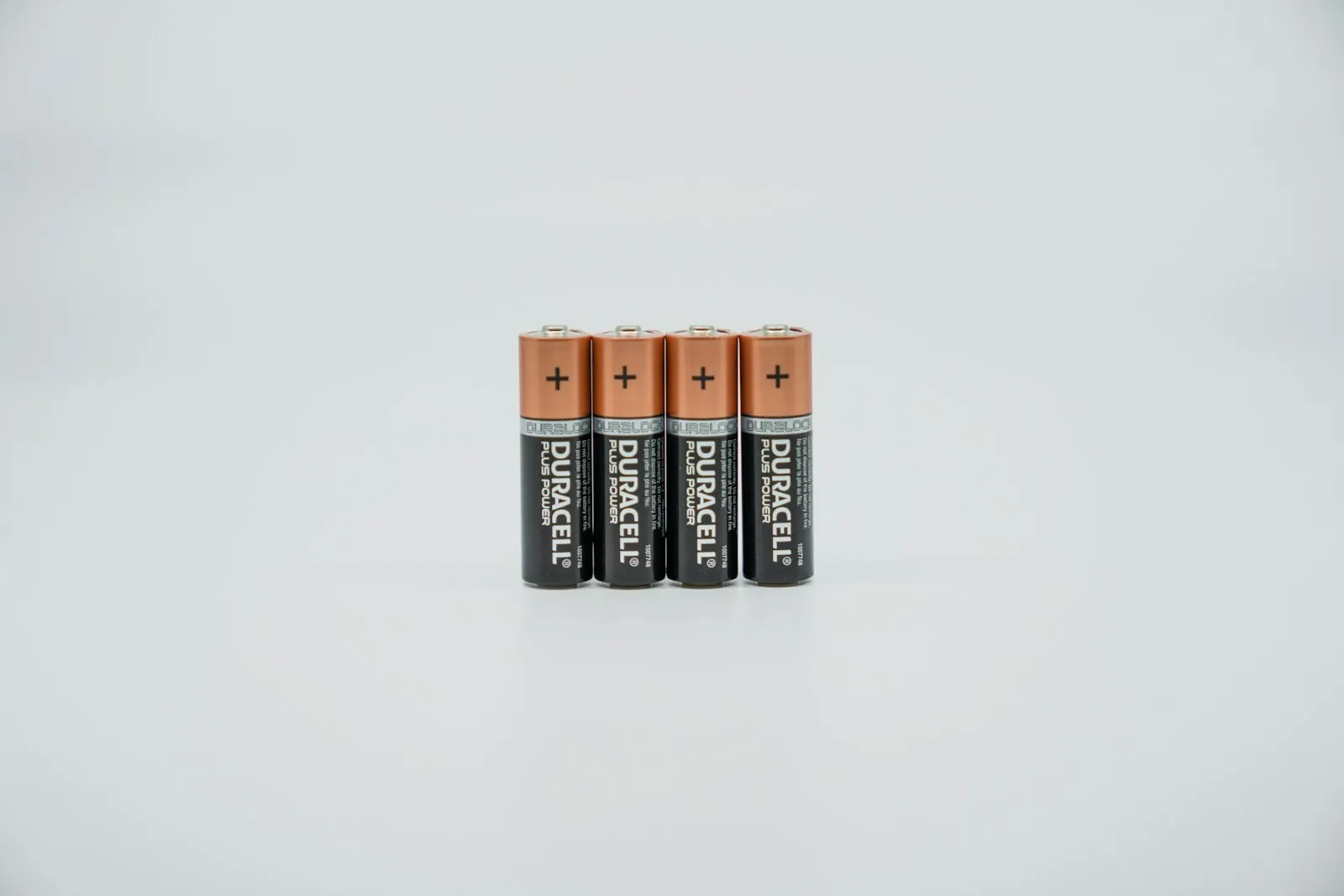
Four reasons to pick battery over tank
Trade-off vs tank-fed: lower peak SPL, but install simplicity and platform reuse.
No install required
No tank to mount, no compressor to wire, no fuses to size. Charge a battery, attach to horn, done.
Run until battery dies
No fixed time limit per blast. 5–10 min sustained or 30–60 min intermittent on a typical 5 Ah pack.
Portable
Boating, fishing, hunting, hiking, off-grid emergency signaling, shop alarm — without a vehicle.
Battery sharing
Already have M18 or DeWalt 20V tools? The same batteries power the horn. Zero new charging infrastructure.
Pick the platform you already own
Voltage, common battery sizes, aftermarket horn availability, who each platform is for.

Milwaukee M18
DeWalt 20V MAX
Ryobi 18V ONE+
Makita LXT 18V

Bauer 20V
Craftsman V20

Ridgid 18V
Kobalt 24V MAX
Where portable beats tank-fed
Eight scenarios where battery-powered wins. Off-vehicle applications dominate.
Boat / marine signaling
Required by USCG for boats >39.4 ft (Inland Navigation Rules). Battery beats permanent install for trailerables.
Off-road / 4×4
Loud warning for trail-running, hunting, or remote terrain. No vehicle install needed.
Construction / shop
Site-wide warning. Fire-drill / muster-gathering signal.
Hunting (signaling)
Stand-clear / buddy-locate signal in remote hunting environments.
Emergency preparedness
Off-grid signaling. Useful when phones don't work.
Pranks / novelty
Portable lets you take it anywhere. Probably the most common use.
Sports events
Tailgate / stadium pre-game noise (where allowed).
Parade / float
Mounted to a parade float or mobile installation.
Sustained tone, not blast-and-recharge
Different physics from tank-fed kits. Compressor pumps directly to the trumpet.
A battery-powered train horn pairs a small DC compressor (powered by the battery platform's voltage and current) with a single-trumpet or dual-trumpet acoustic stage. The compressor pumps directly to the horn — there's no separate tank like in a tank-fed kit. Air pressure builds in the trumpet's small internal volume, vibrates the diaphragm, and outputs sound continuously while the compressor runs.
Because there's no large tank reservoir, the horn's output isn't "blast and recharge" — it's a sustained tone that runs until you stop pressing the trigger or the battery hits low-voltage cutoff. Output peaks at 130–140 dB depending on the trumpet design and air pressure achievable from the compressor.
Compared to tank-fed kits at 142–149 dB, portable horns trade peak SPL for portability and install simplicity. For non-parade applications (boat horn, off-road safety, shop alarm, emergency signaling), the trade-off is favorable.
Six things to check before buying
Native compatibility, verified specs, duty cycle, trigger style, trumpet count, hearing protection.
- 1 Native platform compatibility. Buy a horn that natively uses your existing battery platform — don't use voltage-conversion adapters.
- 2 Verified dB rating. Manufacturer-disclosed measurement methodology, not just a number on the box.
- 3 Compressor duty cycle. Sustained-use applications (parade, alarm) need 100% duty cycle. Occasional use accepts 30–50%.
- 4 Trigger / actuation. Trigger pull, lanyard, or pressure plate. Pick what fits your use scenario.
- 5 Trumpet count / chord. Single-trumpet for compact / loudest single tone. Dual-trumpet for chord sound.
- 6 Hearing protection bundled. Better kits include foam earplugs. Cheap kits don't — buy separately.
Boss Series (BossHorn 2026)
Purpose-built portable train horn line targeting Milwaukee M18, DeWalt 20V, and Ryobi 18V.
Dual-trumpet chord-tuned portable horns
The 2026 Boss Series from BossHorn is a purpose-built portable train horn line. Differentiator: chord-tuned dual-trumpet design (most portable horns are single-trumpet), giving a more authentic locomotive-chord voice from a battery-powered package.
Frequently asked questions
Tap to expand.
How long does a battery-powered train horn run on one battery?
Until the battery dies — battery-powered horns are not time-limited like tank-fed kits. The compressor draws 15-30 amps when running; a 5 Ah Milwaukee M18 battery will sound the horn intermittently for 30-60 minutes of use, or sustained for 5-10 minutes before the battery hits low-voltage cutoff. Larger batteries (8 Ah, 12 Ah HD) extend runtime proportionally. Tank-fed kits are limited to 1-12 second blasts; portable kits have no per-blast limit until battery dies.
How loud are battery-powered train horns vs tank-fed?
Battery-powered (portable) train horns typically peak at 130-140 dB at 3 ft — comparable to mid-tier tank-fed kits but below verified-output flagships. The HornBlasters Conductor's 228H tank kit hits 147.7 dB; a Milwaukee M18-powered portable hits ~135-140 dB. The trade-off: portable wins for install simplicity and no-tank-required, tank-fed wins for absolute peak SPL.
Which battery platform is best for a train horn?
Pick the platform you already own — that's the entire point. If you have Milwaukee M18 tools, get an M18-compatible horn. If you have DeWalt 20V, get a DeWalt-compatible horn. The horn performance is similar across platforms; the differentiator is whether you're sharing a battery with your existing tools (drill, impact, vacuum). Milwaukee M18 has the largest aftermarket train horn ecosystem; DeWalt 20V is second; Ryobi 18V third.
Can I use these horns for emergency / safety warning?
Yes — that's a primary use case. Battery-powered horns work without vehicle install, so they're portable for boating, hiking, hunting, off-grid emergency signaling, and shop / construction site warning. Output of 130+ dB at 3 ft is audible at 1+ miles in open terrain. Always carry hearing protection if you plan to actuate near yourself.
Do these horns work without the battery brand's charger?
You need a charged battery from your platform. The horn itself just needs the battery to plug in via the brand's standard tool interface. So a Milwaukee M18 horn requires a charged M18 battery; a DeWalt 20V horn requires a charged DeWalt 20V battery. Use the brand's chargers to keep batteries ready. No special charger required for the horn itself.
Are battery-powered train horns legal?
Same legal framework as tank-fed train horns. Installation is generally legal in all 50 US states. Routine use of a 130+ dB horn on public roads typically violates state vehicle code "unreasonably loud" provisions. For off-road / private property / boat / shop use, most state vehicle codes don't apply. Local noise ordinances may. See /legal/ for state breakdown.
Can I install a battery-powered horn on my vehicle permanently?
You can, but it defeats the platform advantage. Permanent install means swapping batteries each time it dies — versus a tank-fed kit that recharges from your alternator. If you want permanent vehicle install, get a tank-fed kit. The portable advantage of battery-powered horns is for non-vehicle applications: boating, shop, off-road, emergency signaling.
What about Bosch / Hilti / Festool battery platforms?
Bosch 18V, Hilti 22V, and Festool 18V battery platforms have minimal aftermarket train horn ecosystems — these brands target professional contractors who don't typically buy aftermarket horns. If you have a Bosch / Hilti / Festool battery and want a portable train horn, options are: (1) buy a horn for a more popular platform (Milwaukee, DeWalt) and a separate battery, (2) use a third-party Bosch / Hilti / Festool battery adapter, or (3) build a DIY portable horn with a generic 18-22V Li-ion source. None are ideal.
Related and sources
Where the rest of the site connects.
Related pages
- Train horn reviews (tank-fed alternatives)
- Install guides hub (vehicle-mounted alternatives)
- Air vs battery comparison guide
- Best-of curated lists
- DIY drill-pump portable horn
- DIY impact-driver portable horn
- DIY Milwaukee M18 portable build
- DIY DeWalt 20V portable build
- State legality hub
- Portable horn runtime calculator
Primary sources
- Milwaukee Tool
- DeWalt
- Ryobi
- Makita
- BossHorn 2026 Boss Series
- USCG Boating Safety
- Editorial methodology
We aggregate publicly available data only. Battery runtime estimates assume typical use cycles. Per-platform specifics in individual platform pages.