How to Install a Train Horn on a Peterbilt 379
Train horn install for Peterbilt 379 — Class 8 conventional, cab-roof Nathan K5LA, tap into existing main reservoir, no compressor or tank kit needed.
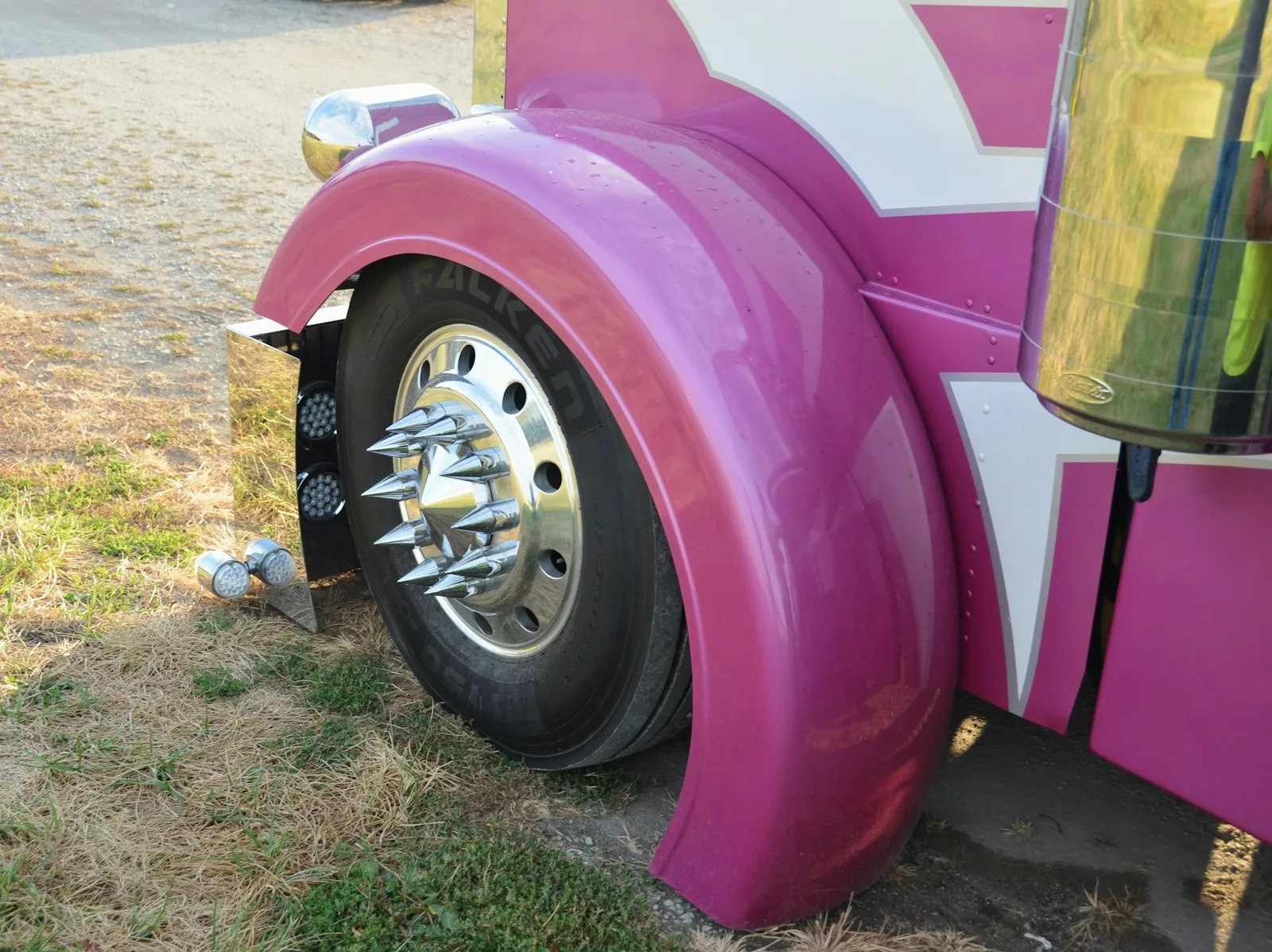
The Peterbilt 379 is one of the most iconic Class 8 conventional tractors ever built — produced 1987–2007 and still actively running in fleets and owner-operator service. As a Class 8 truck, the 379 has a continuously-charged main air reservoir at 110–130 PSI — exactly what a Nathan AirChime K5LA needs. The 379 is one of the easiest Class 8 platforms to add a real locomotive horn to because owner-operators have decades of community knowledge about cab-roof mounting and air-system tap points specific to the 379 chassis.
For the universal Class 8 install procedure see /install/by-vehicle/semi-truck/. This page covers Peterbilt 379-specific details.
- Difficulty
- Moderate
- Cab-roof + air-system tap
- Time
- 2–3 hours
- Mature 379 community knowledge
- Cost
- $1,650–$5,000+
- Horn + solenoid; uses truck air
- Best mount
- Cab roof
- 379-specific brackets exist
- Air supply
- 110–130 PSI main reservoir
- No 12V compressor needed
- Production
- 1987–2007
- No new units; established aftermarket
Why the 379 is a popular train horn platform
The Peterbilt 379 is favored by owner-operators for its classic conventional styling and customization friendliness. Train horn installs are common because:
- The flat cab roof and large hood structure offer multiple mounting points
- Aftermarket cab-roof brackets specifically engineered for the 379 are available from specialty suppliers
- The air-brake system has multiple unused 1/4″ NPT taps near the firewall for accessory connections
- Owner-operator culture values the deep K5LA chord as a signature truck sound
The Kenworth W900 and Freightliner Coronado are similar conventional Class 8 platforms with similar install patterns.
379-specific mounting
- Cab-roof Nathan K5LA is the classic install. Mount a custom or aftermarket bracket on the cab roof using existing antenna / light mount points. Trumpets project forward over the hood.
- Sleeper-roof variant if you have a Peterbilt 379 with the long sleeper, mount the K5LA on the sleeper-roof rear edge for a different sound projection profile.
- Hood-side mount is uncommon but appears on some show-truck builds.
Recommended horn
For a Class 8 Peterbilt 379, the locomotive-class horns are the natural choice:
- Nathan AirChime K5LA — $1,649.95 standalone. The reference 5-chime locomotive horn — see our K5LA review.
- Nathan AirChime K3LA — smaller 3-chime. See K3LA glossary.
- Leslie RS-5T Supertyfon — historic 5-chime alternative at 144 dB / 100 PSI.
Step-by-step
Same procedure as the universal Class 8 semi truck install guide with these 379-specific notes:
- Drain the air system fully before tapping.
- Locate the firewall-mounted air manifold — the 379 has accessible 1/4″ NPT ports here.
- Run a 1/2″ air line up the cab post and along the cab roof to the K5LA bracket.
- Mount the K5LA cab-roof bracket using existing antenna mounts as anchor points (4 bolts typical). Verify roof structural capacity for the 38 lb K5LA.
- Install solenoid valve in line near the K5LA.
- Wire the solenoid trigger to the OEM steering wheel horn signal via a relay (12V or 24V depending on your specific 379’s electrical system).
- Charge air system, test fire.
Common 379-specific problems
- Air leak at the firewall manifold tap. Use Teflon tape on every NPT thread.
- Cab-roof mount under highway wind load — Grade 8 hardware required, large fender washers, torque to spec.
- Vibration from V8 / I6 idle transmits through cab roof to the K5LA bracket. Use rubber-isolated mounting hardware.
- 24V vs 12V electrical confusion — verify your specific 379 trim. Most are 12V but some early models are 24V.
- Brake air starvation — the 379’s main reservoir is sized for braking. K5LA blasts at 100 PSI consume ~14 SCFM; a long sustained blast can briefly reduce brake air.
Legal reminder
A train horn install on a Class 8 Peterbilt 379 follows the same state vehicle code rules as any aftermarket horn — installation legal, routine road use restricted. Class 8 trucks may have different (higher) FMVSS limits than passenger vehicles; verify with your specific state and FMCSA fleet operating rules. See /legal/.
Sources
- Universal semi truck install guide (this site) (Class 8 base procedure)
- Nathan AirChime K5LA review (this site) (K5LA specs and aftermarket pricing)
- HornBlasters — Nathan Airchime Train Horns (locomotive horn aftermarket reference)
We do not perform hands-on installs. Verify all wiring against your specific Peterbilt 379 year and engine option’s service manual before powering up.