Train Horns & Car Insurance: Do You Have to Tell Your Insurer?
Do you have to tell your car insurance about a train horn? How aftermarket coverage limits work, whether premiums rise, and when an undisclosed horn risks a claim.

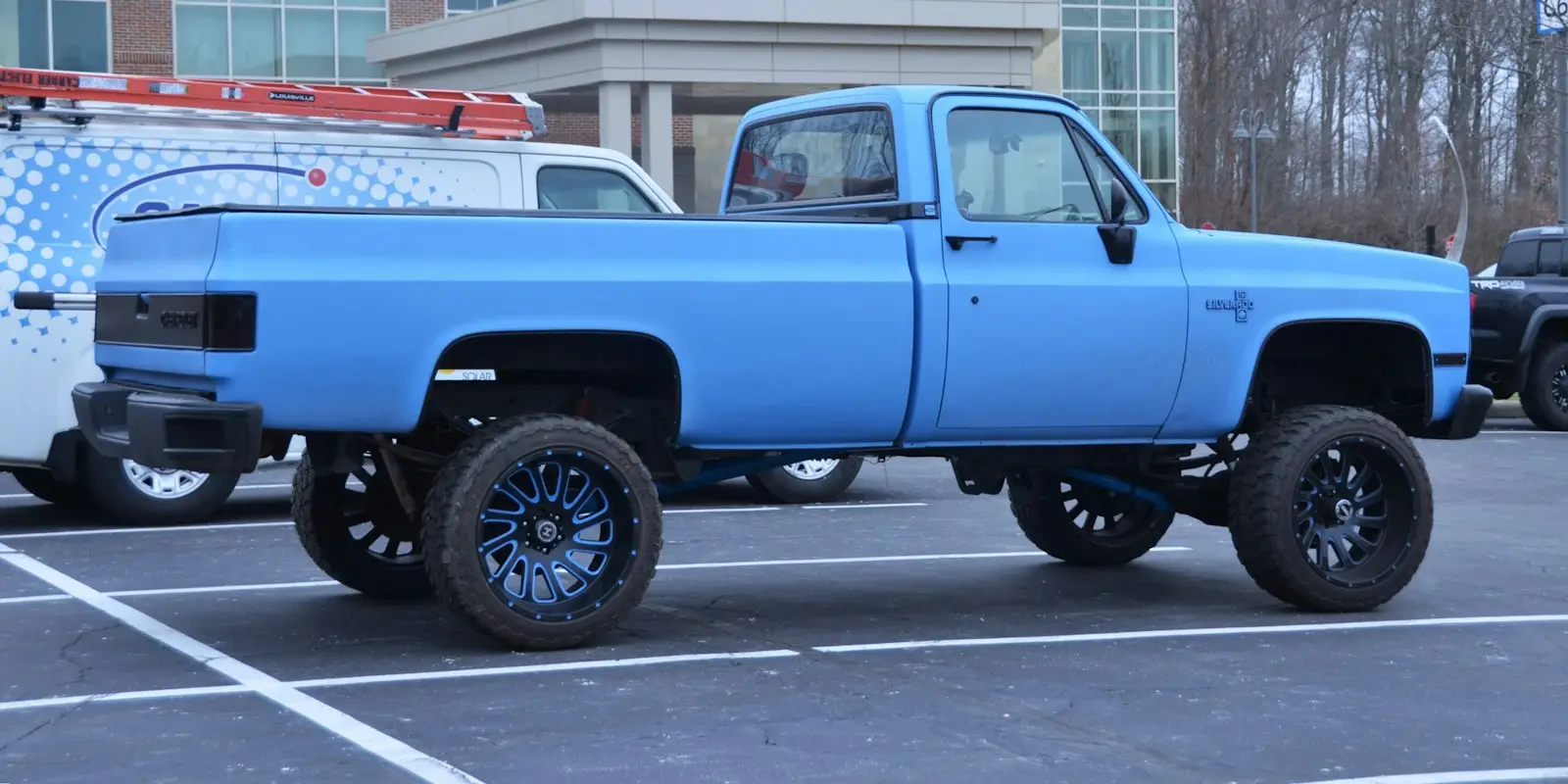
Bolting a train horn onto your truck raises a question most horn shoppers never think to ask: do you have to tell your car insurance company about it? The short answer is yes, you should, and the reasons have more to do with getting paid on a claim than with your premium.
The short answer: tell them, and get it in writing
No federal law makes you report a horn to your insurer. Your obligations come from two places: the policy you signed and your state’s insurance code. Both point the same way. Experian’s guide to modified-car insurance warns that not telling your insurer about modifications “could lead to a loss of coverage,” and that leaving details out to keep a premium down “could be considered fraud and may lead to a canceled policy or denied claim.” CarInsurance.com adds that “some modifications are not permitted and can violate the insurance contract.”
A train horn is a small item next to a lift kit or a turbo. Still, it changes a few things your insurer cares about: what the vehicle is worth, which parts would need replacing after a loss, and how the vehicle is equipped. A five-minute phone call clears all of that up. Skipping the call saves you nothing and leaves you open to an argument at the worst possible moment.
- Disclosure protects the payout on your horn kit if the truck is hit, stolen, or vandalized.
- It removes a misrepresentation argument the insurer could raise during a bigger claim.
- It costs you a phone call. On most policies the added premium, if there is one, depends on how much aftermarket equipment you insure.
How a standard auto policy treats a train horn kit
Your factory horn is covered as part of the car. An aftermarket train horn kit (trumpets, compressor, tank, lines, valve, wiring) counts as custom or aftermarket equipment, and most policies cap what they will pay for that category unless you buy more coverage.
Here is how the limits look across the sources we checked:
| Coverage piece | What the source says |
|---|---|
| Progressive comprehensive + collision | First $1,000 of damage to aftermarket parts or modifications is covered |
| Progressive custom parts and equipment (CPE) | If you have more than $1,000 installed, CPE “may pay up to $5,000” |
| ISO Personal Auto Policy (the template many insurers build on) | Includes $1,500 for custom equipment; the PP 03 18 endorsement raises it |
| Typical CPE endorsement (Experian) | Limit “often around $4,000 to $5,000” |
| Some states (CarInsurance.com) | At least $1,000 is built in; in others custom equipment is excluded unless you add the endorsement |
Now compare that to what a train horn actually costs. In late October 2026, HornBlasters listed its Conductor’s Special 2HB complete kit at $849.99 and the Shocker XL trumpets alone at $339.99. Add an onboard air upgrade, a bigger tank, or a pro install, and you can pass a $1,000 cap fast, especially if the truck already has wheels, a lift, or a light bar eating into the same limit.
That is the real reason to call your insurer. If the horn kit isn’t on file and your policy’s built-in allowance is used up (or doesn’t exist in your state), a theft or a total loss can leave you paying to replace the kit yourself. For a sense of how quickly a full system adds up, see our breakdown of train horn install cost.
Will a train horn raise your premium?
Honestly, it depends on what you ask your insurer to cover. None of the insurer pages we reviewed list horns as a rating factor the way they treat performance or suspension mods. What does move the price is extra coverage: Experian notes that with a custom parts endorsement, “your premium will usually increase based on the types of modifications you’ve added and their replacement costs.”
So in practice:
- If your kit fits inside the aftermarket allowance your policy already includes, disclosing it may change nothing on your bill.
- If you add or raise a CPE endorsement to cover the kit, expect a premium change tied to the dollar amount you insure.
- Safety and anti-theft upgrades can work the other way. Experian lists security systems, GPS tracking, and parking sensors among features that may earn discounts. A horn isn’t one of them, but it’s worth asking about if you’re adding an alarm at the same time.
If an agent quotes a big jump just for a horn, ask them to explain the line item. Usually it’s the endorsement limit, not the horn, that you’re paying for.
Can an undisclosed horn void a claim?
This is the scary version of the question, and the honest answer is: rarely on its own, but you don’t want to find out the hard way.
State insurance codes generally limit when an insurer can use a misstatement to deny a claim. Two examples:
- New York Insurance Law §3105 says no misrepresentation can void a policy or defeat recovery “unless such misrepresentation was material,” and it is material only if knowing the true facts “would have led to a refusal by the insurer to make such contract.”
- Florida Statute §627.409 says a misstatement or omission can block recovery only if it is fraudulent or material to the risk, or if the insurer, knowing the true facts, would in good faith have declined the policy, charged a different premium, written a smaller amount, or excluded the hazard that caused the loss.
Read those carefully and you’ll see why a horn alone rarely sinks a claim: most insurers would not have refused to write a pickup because it has air horns. But notice the Florida language about charging “a different premium.” If your policy treats aftermarket equipment as something that affects price, an omission starts to look material. And if the horn kit itself is part of the loss, say, stolen off the frame or crushed in a collision, an insurer with no record of it has a straightforward reason to pay only up to your policy’s built-in limit, or nothing for it at all.
- Telling the agent “no modifications” when asked directly at signup, then filing a claim on a truck with a full air system.
- Assuming your built-in aftermarket allowance covers the horn without checking your state’s rules.
- Throwing away the receipts and install invoice. Without them, proving the kit’s value is on you.
These laws vary state to state, and your policy wording controls the details. If a claim is ever denied over a modification, ask the insurer to cite the exact policy language and the statute it relies on, and contact your state’s department of insurance if the answer doesn’t hold up.
Legal on the street matters to your insurer too
Insurers care whether equipment is lawful, and horn laws are written with loud aftermarket horns in mind. Florida’s statute requires a horn audible from at least 200 feet but says no horn “shall emit an unreasonably loud or harsh sound or a whistle.” A violation there is a noncriminal, nonmoving traffic infraction, so it’s not a reason to panic, but it is exactly the kind of equipment issue CarInsurance.com warns “can violate the insurance contract.”
The safe setup that keeps both the police and your insurer happy is the one most experienced installers already use:
- Keep the factory horn connected and working as your primary horn.
- Wire the train horn to its own separate switch, not the steering wheel button.
- Use it off-road, at events, or on private property, not in traffic.
For state-by-state details, see are train horns legal on cars. If you’ve already been cited, our guide on what to do after a train horn ticket walks through fix-it tickets and fines.
How to tell your insurer (a five-minute script)
You don’t need a special policy for a horn. You need a short, documented conversation.
- Gather the numbers first. Kit brand and model, what you paid for parts and labor, and the install date. Keep the receipts and a few photos of the installed system.
- Call your agent or the insurer’s service line. Say: “I’ve installed an aftermarket air horn system and want it listed on my policy.”
- Ask how aftermarket equipment is covered in your state. Is there a built-in allowance, how much, and does it already count other mods on the vehicle?
- Ask about a custom parts and equipment endorsement if the horn plus your other mods exceed that allowance. Get the limit and the premium change.
- Get confirmation in writing. An email or an updated declarations page is your proof the insurer knew about the horn.
If you sell the truck or remove the horn later (here’s how to remove a train horn cleanly), call again so you’re not paying for coverage on equipment you no longer have.
Insurance and warranty are two different questions
People often lump these together, but they work under different rules. Your insurer decides whether it will pay for damage under your policy. Your vehicle’s manufacturer decides whether a repair is covered under the terms of its warranty, and your insurance contract has no say in that. A horn that’s fully disclosed to your insurer can still lead to a warranty dispute if the dealer blames it for an electrical fault. We cover that side in detail in does a train horn void your vehicle warranty, including what the Magnuson-Moss Warranty Act does and doesn’t protect.
The bottom line: install the horn, keep the factory horn working, tell your insurer, and keep the paperwork. That combination costs almost nothing and takes the “will they pay?” question off the table.
Sources
- Progressive: Can I add aftermarket safety features to my car? — first $1,000 of aftermarket parts covered under comprehensive and collision; CPE may pay up to $5,000
- Experian: What Is Modified Car Insurance? — nondisclosure can lead to loss of coverage, canceled policy, or denied claim; CPE premiums rise with mod types and replacement cost; CPE limits around $4,000 to $5,000; security features may earn discounts
- CarInsurance.com: What does custom parts and equipment coverage do? — some states include at least $1,000, others exclude custom equipment without an endorsement; some modifications can violate the insurance contract
- InsuranceXDate: ISO Form PP 03 18 (Excess Custom Equipment) — ISO Personal Auto Policy includes $1,500 for custom equipment; endorsement raises it
- New York Insurance Law §3105 (NY Senate) — misrepresentation must be material to void a policy or defeat recovery
- Florida Statutes §627.409 (Florida Senate) — when a misrepresentation or omission can prevent recovery
- Florida Statutes §316.271 (Florida Senate) — horn audible at 200 feet; no unreasonably loud or harsh sound or whistle; noncriminal nonmoving infraction
- HornBlasters: Conductor’s Special 2HB Train Horn Kit — $849.99 kit price (late October 2026)
- HornBlasters: Shocker XL Train Horn — $339.99 trumpet price (late October 2026)
Keep reading
- Does a Train Horn Void Your Vehicle Warranty? Magnuson-Moss Explained — the warranty side of the same question
- Are Train Horns Legal on Cars? State-by-State Quick Reference — what your state’s horn law says
- Train Horn Ticket? Fix-It Tickets, Fines & What to Do Next — if you’ve already been cited
- Train Horn Installation Cost: DIY vs Shop Labor Breakdown (2026) — what a full system really costs, and what you’d want insured
Frequently asked questions
Quick answers to the questions people ask most about this topic.
- Do I have to tell my insurance company I installed a train horn?
- No federal law requires it, but you should. Experian warns that not disclosing modifications can lead to a loss of coverage, a canceled policy, or a denied claim, and an undisclosed horn kit may not be paid for if it is stolen or damaged.
- Does a train horn raise car insurance rates?
- Not by itself in most cases. What usually changes your premium is adding or raising a custom parts and equipment endorsement, which Experian says is priced on the types of modifications and their replacement cost.
- Is my train horn covered if my truck is stolen or totaled?
- Only up to your policy's aftermarket limit. Progressive covers the first $1,000 of aftermarket parts under comprehensive and collision, the ISO personal auto policy includes $1,500 for custom equipment, and some states exclude custom equipment entirely unless you add an endorsement.
- Can my insurer deny a claim because I didn't disclose a train horn?
- Only in limited cases. Laws like New York Insurance Law 3105 and Florida Statute 627.409 require a misrepresentation to be material, or for the insurer to show it would have refused the policy or charged a different premium, before it can defeat recovery.
- How much custom parts coverage do I need for a train horn kit?
- Enough to replace the whole system including labor. HornBlasters listed its Conductor's Special 2HB kit at $849.99 in late October 2026, so a kit plus install and other mods can exceed a $1,000 built-in allowance; Progressive's CPE coverage may pay up to $5,000.
Related reviews & guides

Buffalo Bills Train Horn: Stadium Horn, 'Shout' and New Highmark
Can You Put a Siren on a Personal Vehicle? Siren vs Train Horn Laws
Wayside Horns Explained: Pole-Mounted Crossing Horns and FRA Rules
Train Horn Safety Relief Valve: PSI Rating, Placement and Testing

Locomotive Horn Rules: What 49 CFR 229.129 Requires (96-110 dB)