How to Install a Train Horn on a Chevy Tahoe (2015–2026)
Train horn install for Chevy Tahoe — body-on-frame SUV mounting strategies, no-spare-tire-well constraint, frame-rail and rear cargo options, OEM horn fuse-tap wiring.
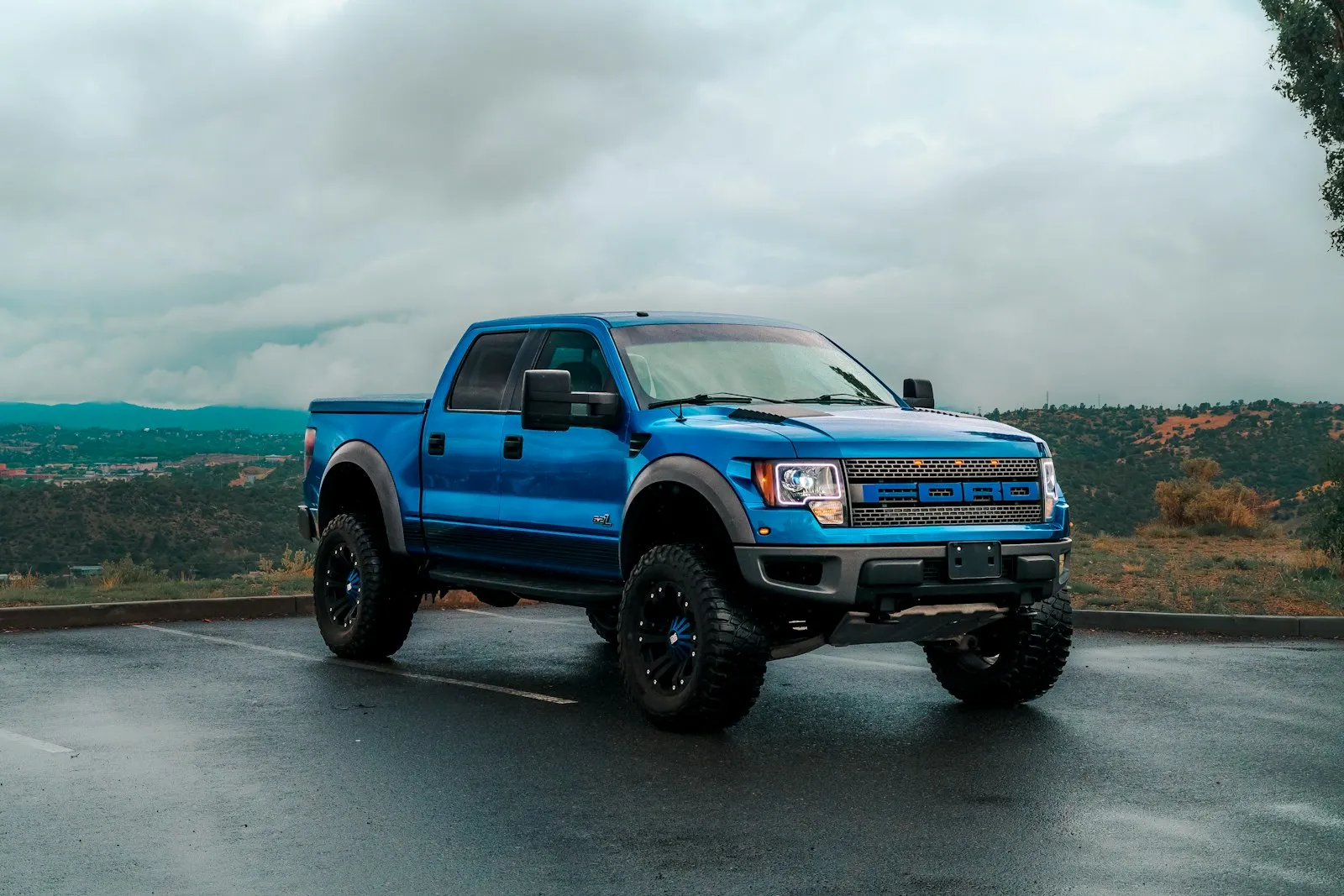
The Chevrolet Tahoe shares its body-on-frame architecture with the Silverado 1500 — same K2 platform (2015–2020) and T1 platform (2021–2026) underpinnings. The key install difference: the Tahoe is an SUV, not a pickup, so there’s no exposed bed for spare-tire-well mounting. The OEM spare hangs underneath the rear cargo floor, but the envelope around it is tighter than on the Silverado, with rear-axle and exhaust hardware competing for space.
This page is a delta from the Silverado install guide. Read that first for the base procedure.
- Difficulty
- Moderate
- Underbody work, tighter envelope
- Time
- 4–5 hours
- Vs 3–4 hr on Silverado
- Cost
- $1,000–$5,500
- Kit + frame-rail bracket + parts
- Best mount
- Frame rail under cargo area
- Or rear cargo cubby with airline routing
- Generations
- K2 / T1
- 2015–2020 / 2021–2026
- Platform parent
- Silverado 1500
- Shared frame, OEM horn fuse
What’s different from the Silverado
The Tahoe-specific considerations:
- No exposed spare tire well from above. The spare hangs below the rear cargo floor; the spare-tire-delete brackets engineered for the Silverado don’t translate cleanly because the Tahoe’s underbody envelope is tighter and the cargo-floor sheet metal is in the way.
- Frame-rail mount is the primary option. Most Tahoe builders mount tank + compressor along the outside passenger frame rail under the rear cargo area, with trumpets pointing down and rearward.
- Rear cargo cubby for tank. The Tahoe has a small cubby behind the third-row seat (or behind the second-row on 2-row trims) that fits a 2-gallon Conductor’s Special 228H tank cleanly. Compressor and trumpets go underbody.
- Exhaust routing close to rear axle. Like the Silverado, the Tahoe’s catalytic converter is forward of the rear axle, but the muffler tucks closer to the spare. Heat-shield the compressor mount.
- OEM horn fuse uses the same engine bay PDC as the T1 Silverado / Sierra. Fuse-tap procedure is identical to the Silverado’s MICRO2 add-a-circuit method.
Recommended kits
Three kits ordered by price tier:
- HornBlasters Conductor’s Special 228H — $649.99–$749.99. Compact 2-gallon system fits in the rear cargo cubby; airline runs forward to underbody trumpets.
- HornBlasters Shocker XL Kit — $1,800–$2,200. 5-gallon tank requires more underbody space; mount along outside passenger frame rail.
- HornBlasters Nathan AirChime K5LA Kit — $4,999.99–$5,199.99. The 38 lb K5LA is heavy for the Tahoe’s underbody; verify mount-point load rating before commit.
For portable / no-install alternatives see Milwaukee M18 and DeWalt 20V MAX hubs.
Step-by-step
This sequence mirrors the Silverado install guide with these Tahoe-specific adaptations:
- Disconnect battery negative terminal.
- Lower the spare tire using the OEM winch crank (accessed through the rear cargo area on most Tahoe trims).
- Remove the spare tire winch mechanism and save the hardware.
- Test-fit a universal underbody bracket to the outside passenger frame rail under the rear cargo area. Mark holes that need drilling.
- Bolt the bracket to the frame rail. Torque per bracket-specific instructions.
- Mount the train horn (trumpets) to the underbody bracket. Verify rear-axle full-droop clearance.
- Mount the air tank in the rear cargo cubby (for a 2-gallon kit) or alongside the trumpets on the bracket (for larger tanks). Strap securely.
- Mount the compressor on the same bracket or along the frame rail. Verify clearance from exhaust.
- Run air lines between compressor → tank → solenoid valve → horn. Pass through firewall grommets where needed.
- Run electrical per the universal wiring diagram page — compressor power circuit + solenoid trigger circuit.
- Tap into the OEM horn fuse circuit via MICRO2 add-a-circuit (see Silverado install guide for the same K2/T1 PDC layout).
- Reconnect battery, prime the system.
- Test fire before reinstalling underbody panels.
Common Tahoe-specific problems
Distilled from GM-Trucks.com SUV threads:
- Spare-tire-delete brackets engineered for the Silverado don’t fit the Tahoe because of the cargo-floor sheet metal. Use a universal underbody bracket along the frame rail instead.
- Rear cargo cubby tank conflicts with third-row seat folding. If your Tahoe has a third row, verify the tank doesn’t interfere with the seat-fold mechanism.
- Exhaust heat near rear axle muffler. The Tahoe’s exhaust outlet is close to the spare tire envelope; use heat shielding on the compressor.
- Underbody panels may obscure mount points. Tahoe trim levels (LT, RST, Z71, High Country) have different underbody panel coverage. Remove panels for test-fit before drilling.
- OEM horn stops working after fuse-tap. Same fix as on Silverado: original fuse on interior terminals; new 10 A trigger fuse on exterior.
- Vibration from compressor through cargo floor. Use heavy-duty rubber-isolated mounts. Tahoe cargo-area sheet metal transmits compressor vibration into the cab more than a pickup bed does.
Legal reminder
A train horn install on a Tahoe is legal in most U.S. states for the horn hardware itself, but using it on a public road typically violates state vehicle codes. See the legal hub and state legality lookup.
Sources
- Silverado install guide (this site) (shared K2/T1 platform reference)
- HornBlasters — Connecting Train Horns to OEM Horn (2014 Chevy Silverado / GMC Sierra) (K2 fuse-tap, applies to Tahoe)
- GM-Trucks.com — Train Horns 2019–2025 Silverado/Sierra/Tahoe discussion
We do not perform hands-on installs. Verify all wiring against your specific Tahoe year’s service manual before powering up.