How to Install a Train Horn on a Ford Mustang
Train horn install for Ford Mustang — passenger-car constraint, trunk-mounted compact air system, behind-bumper trumpets, OEM horn fuse-tap wiring, S550/S650 fitment.
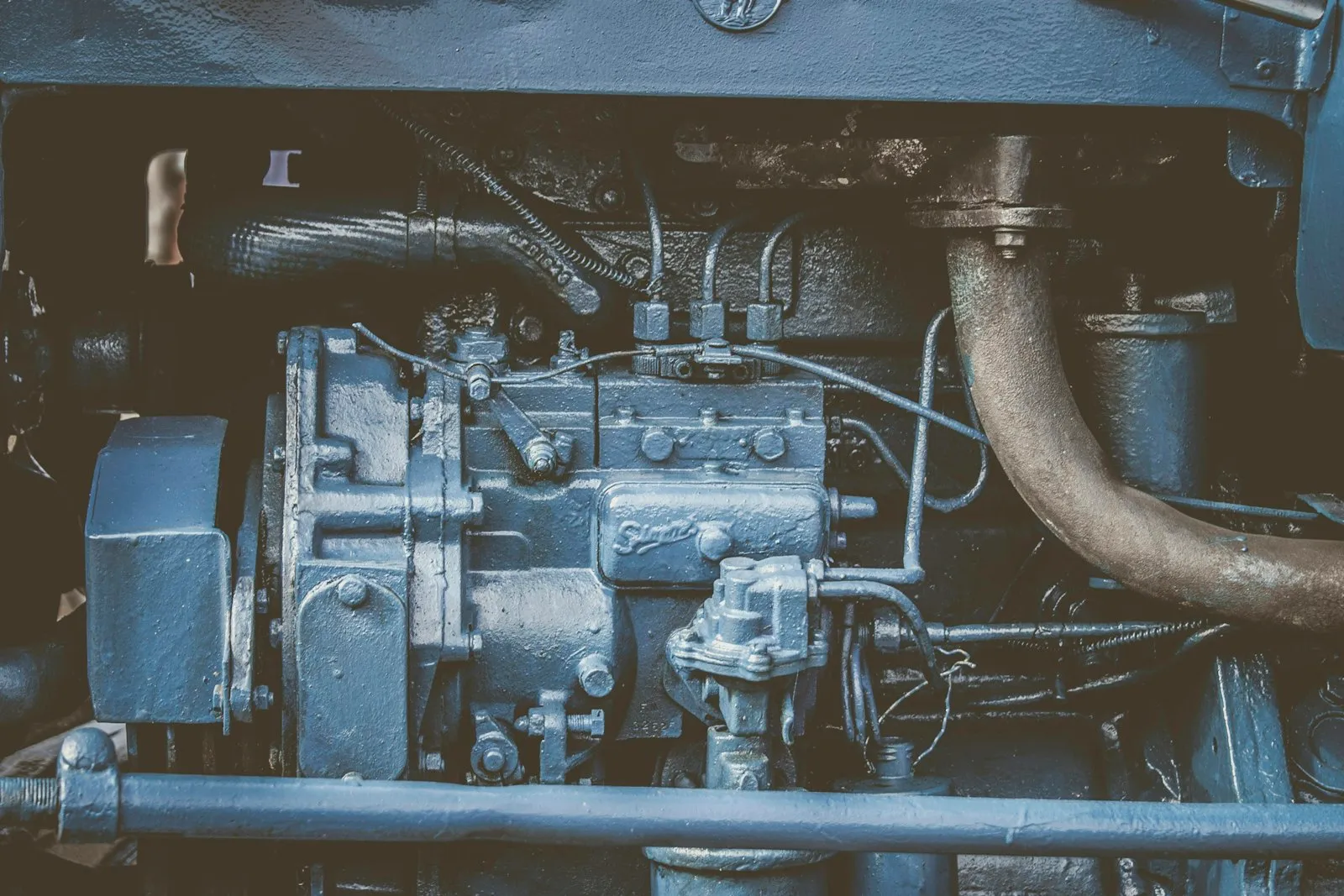
A train horn install on a Ford Mustang is fundamentally different from a pickup install — there’s no spare tire well, no exposed bed, no body-on-frame chassis, and no spare-tire-delete bracket. Train horn installs on passenger cars use trunk-mounted compact air systems with trumpets routed behind the front bumper or under the rear of the vehicle. The S550 (2015–2023) and S650 (2024–2026) generations both have similar trunk space; the install procedure is the same across both.
- Difficulty
- Moderate
- Trunk floor mount + long wire run
- Time
- 4–5 hours
- Vs 3–4 hours on a pickup
- Cost
- $650–$2,500
- Compact kit + custom routing
- Best mount
- Trunk floor
- Compact 2-gal tank
- Generations
- S550 / S650
- 2015–2023 / 2024–2026
- Air system
- 2-gal max practical
- Larger tanks won't fit cleanly
Why passenger-car installs are different
A pickup train horn install commits the spare tire well to the air system. A passenger car has no equivalent envelope — the spare tire is typically a thin space-saver mounted under the trunk floor, with no room for a 5-gallon tank.
The Mustang in particular has:
- Trunk space (~13 cu ft on S550) — adequate for a 2-gallon Conductor’s Special 228H but not a 5-gallon kit
- Solid rear trunk floor with structural mount points
- OEM horn fuse easily accessible in the engine bay PDC
- Long wire-run distance from trunk to engine bay (15–20 ft) requiring careful gauge selection
The result: most Mustang train horn installs use the compact Conductor’s Special 228H (147.7 dB) or smaller portable kits.
Mounting strategy
The recommended approach for a Mustang:
- Mount the air source (compressor + 2-gallon tank) to the trunk floor near the rear seat backrest, away from the trunk hinges.
- Run air lines along the trunk floor, through an existing wiring grommet, under the rear seat, along the rocker panel area, and forward to a solenoid valve mounted under the front fender.
- Mount the trumpets behind the front bumper or in the lower bumper inlet area. Project forward and slightly down.
- Run the trigger wire from the engine bay back to the cab to the OEM horn fuse via MICRO2 add-a-circuit.
- Verify trunk doesn’t rattle. Compressor vibration through the trunk floor is the #1 owner complaint.
Alternative: some Mustang owners run a single trumpet (HornBlasters Outlaw 127H at 142 dB) behind the front bumper with a tiny tank under the trunk floor, accepting limited blast duration in exchange for cleanliness.
Recommended kits
- HornBlasters Conductor’s Special 228H — $649.99–$749.99. The natural fit for a Mustang’s trunk envelope.
- HornBlasters Outlaw 127H Single Trumpet — ~$300. Compact alternative if trunk space is at a premium.
- Portable battery alternatives — see Milwaukee M18 and DeWalt 20V hubs for no-install options that work in any car.
Step-by-step
This sequence assumes a 2015+ S550 Mustang with the Conductor’s Special 228H kit mounted in the trunk. Total time: 4–5 hours.
- Disconnect battery negative terminal.
- Remove the trunk floor mat and any underfloor storage. Identify where you’ll bolt the air source unit.
- Mount the air source unit to the trunk floor with self-tapping screws into the floor pan or M6 bolts through factory holes. Verify clearance vs the spare tire (don’t displace the OEM space-saver).
- Run air lines from the trunk forward to the engine bay. Pass through the rear seat back, along the rocker panel, and through the firewall via an OEM grommet.
- Mount trumpets behind the front bumper. S550 has accessible space behind the lower grille opening.
- Mount the solenoid valve in the engine bay near the trumpets. 1/2” PTC fitting from air line; 1/2” outlet to trumpets via short manifold.
- Run compressor power wire (8 AWG positive + ground) from the engine bay battery back to the trunk-mounted compressor. Inline 30 A fuse within 12” of battery+. This is the longest wire run in the install — verify gauge with the wire gauge calculator.
- Run the solenoid trigger wire (18 AWG) from the cab to the engine-bay solenoid.
- Tap into the OEM horn fuse circuit via MICRO2 add-a-circuit (same procedure as on F-150).
- Ground the solenoid to the chassis on bare metal.
- Reconnect battery, prime the system (≈ 3:05 fill on 2-gallon tank).
- Test fire the horn first by manually shorting the trigger to 12 V, then via the OEM steering wheel button.
Common Mustang-specific problems
- Trunk vibration noise. Use heavy-duty rubber-isolated mounts between the air source and trunk floor. Mustang trunk floor sheet metal transmits compressor vibration into the cab.
- Air line routing through rocker panel. Long air-line runs can sag or contact the exhaust if not clamped every 12”. Use rubber-lined clamps.
- Trunk hinge clearance. Verify the trunk lid closes fully without compressing the air source. Some installers shift the air source to the driver’s-side trunk corner to avoid the hinge.
- Bumper trumpet clearance. S650 (2024+) has a redesigned front bumper — verify trumpet clearance before drilling.
- OEM horn fuse-tap issues standard across Ford platforms — see F-150 install guide.
Legal reminder
Same as any aftermarket train horn — installation legal, road use restricted by state vehicle codes (typically 110 dB cap). Mustang owners face the same enforcement risk as truck owners. See /legal/ and /tools/state-legality/.
Sources
- HornBlasters — Conductor’s Special 228H Kit (compact 2-gal kit ideal for passenger cars)
- HornBlasters — Goliath Mount product family (vehicle-specific bracket reference)
- HornBlasters — F-150 OEM horn fuse tap (Ford fuse-tap pattern applicable to Mustang)
We do not perform hands-on installs. Verify all wiring against your specific Mustang year and trim’s service manual before powering up.