Train Horn PSI Explained: What Pressure Do You Need?
Train horn PSI explained: how much air pressure you actually need, why 150 psi is the sweet spot, and how pressure switches, tanks, and compressors fit together.
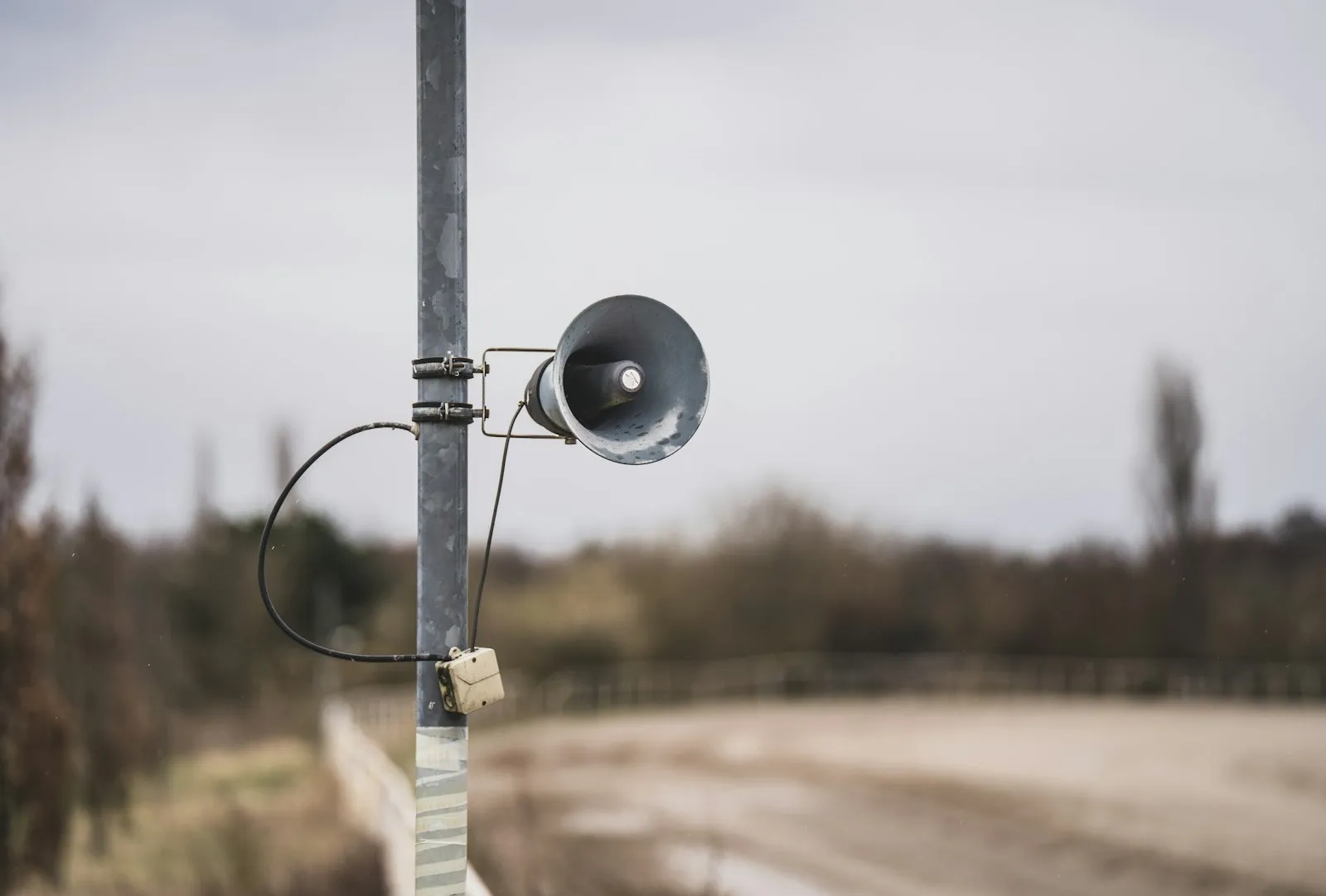
If you’ve shopped for a train horn, you’ve seen “PSI” plastered on every kit, but few sellers explain what pressure your horn actually needs to sound right. Here’s the plain-English breakdown of train horn PSI, why more isn’t always louder, and how to match your air system to the horn.
What PSI actually means for a train horn
PSI stands for pounds per square inch — a measure of how hard the compressed air inside your tank is pushing outward. For reference, the atmosphere around you sits at about 14.7 psi at sea level. A train horn tank holds air at roughly ten times that, and when you press the button, that stored pressure rushes through the trumpets and vibrates a metal diaphragm to make the sound.
The key idea: a train horn is an air-powered instrument. It doesn’t run on electricity like a typical car horn — it needs a steady supply of compressed air at the right pressure to hit its rated volume. Too little pressure and the horn sounds weak, flat, or sputtery. The right pressure and it roars the way the trumpets were tuned to. If you want the full picture of how the air, valve, and trumpets work together, our explainer on how train horns work walks through the whole chain.
How much PSI does a train horn need?
It depends on the horn, but the numbers cluster into two camps.
Consumer truck kits — the four-trumpet kits sold for pickups and SUVs — typically operate in the 80–120 psi range. Many budget kits ship with a 120-psi compressor and a small tank, which is enough to make them loud for a few short blasts.
Authentic locomotive horns — real Nathan AirChime and Leslie chimes — are designed for higher pressure, generally 140–150 psi for full output. Nathan’s K-series horns like the K5LA list an operating range of roughly 90–140 psi, and they perform best toward the top of that band.
Across the board, 150 psi is widely considered the sweet spot for train horns, from single-bell safety horns up to five-chime Nathan setups. It’s high enough to drive even large trumpets to their rated volume without pushing past what common 12V compressors and tanks are built to handle.
- Consumer 4-trumpet kits
- 80–120 psi
- Authentic locomotive horns
- 140–150 psi
- Recommended target
- ~150 psi
- Atmospheric reference
- 14.7 psi
Does more PSI mean a louder horn?
This is the biggest myth in the hobby. Up to a point, more pressure does mean more volume — but every horn has a ceiling, and pushing past it does almost nothing.
Train-horn.com’s own bench testing of the HornBlasters Shocker XL found it hit maximum volume at around 150 psi, not at 200 psi. Once the diaphragm is moving through its full travel, dumping in extra pressure doesn’t make it move further — it just wastes air and stresses your hardware. So a kit advertising “200 PSI!” isn’t necessarily louder than a well-matched 150-psi system; it may just refill faster or be rated for air suspension duty.
The flip side matters more: running a horn below its rated pressure quietly kills your volume. Operating a 150-psi horn at only 100 psi can drop sound output by roughly 10–15 dB. Because decibels are logarithmic, that’s not a minor dip — it’s the difference between “makes people jump” and “barely turns a head.” If the decibel math is fuzzy, our guide on what decibel numbers really mean puts those figures in context.
- More PSI helps — until the horn maxes out, then it does nothing
- Too little PSI is the real problem: a 100-psi feed on a 150-psi horn loses 10–15 dB
- Match pressure to the horn’s rating instead of chasing the biggest number
The pressure switch: cut-in and cut-out
Your compressor doesn’t run constantly. A pressure switch turns it on when the tank gets low and shuts it off when the tank is full. Those two trigger points are the cut-in (compressor starts) and cut-out (compressor stops) pressures.
For a 150-psi system, the standard setup is a cut-in around 110–120 psi and a cut-out around 145–150 psi. That’s why the 110/150 psi pressure switch is the most common choice for train horn kits — it keeps the tank topped up in the range where the horn sounds its best. You’ll also see 85/105 switches on smaller kits and 165/200 switches that are really meant for air suspension, not horns.
One safety rule worth repeating: never set your cut-out above your compressor’s or tank’s rated maximum. Most quality kits also add a blow-off safety valve rated around 175 psi — set above the switch so it only vents if the switch ever fails. The valve rating should always sit above the switch’s cut-out so it doesn’t pop during normal operation.
Tank size: how PSI turns into honk time
Pressure sets how loud the horn is; tank volume sets how long you can hold the note before the compressor has to catch up. A bigger tank at the same PSI simply stores more air.
Rough real-world numbers at 150 psi:
| Tank size | Approx. short blasts at 150 psi |
|---|---|
| 1 gallon | 2–3 |
| 3 gallon | several; minimum for a 5-chime on the street |
| 5 gallon | 10–15 |
For a big five-chime horn like the Nathan K5LA, a 3-gallon tank is the practical minimum for street use, with a 5-gallon preferred if you want long, confident blasts without the compressor scrambling to keep up. Small 0.8- or 1-gallon tanks are fine for quick toots on a compact truck kit but run out of breath fast.
Picking a compressor that holds your PSI
The compressor’s job is to refill the tank back to cut-out pressure between blasts. Two specs matter: its maximum rated pressure (must meet or exceed your cut-out — so 150 psi or higher) and its flow rate in CFM (how fast it refills).
For a 150-psi system on a 3-gallon tank, a 12V compressor flowing at least 1.5 CFM will recharge in about 3–4 minutes. Step up to a 2.5–3 CFM unit and you’re back to full in under two minutes. Common benchmark compressors in this niche include the Viair 380C (about 1.58 CFM) and the higher-output 444C (about 1.76 CFM, with a 200-psi max rating).
- Rated pressure at or above your cut-out (150 psi+)
- Flow rate of 1.5 CFM or more for reasonable refills
- Duty cycle that matches how often you’ll honk
If you’re still deciding between a full air system and a self-contained electric horn, our comparison of air-tank vs battery-powered horns lays out the trade-offs.
FAQ
What PSI should a train horn run at?
Most train horns sound their best around 150 psi. Consumer truck kits operate fine in the 80–120 psi range, while authentic locomotive horns like Nathan AirChime chimes are designed for roughly 140–150 psi. Matching the horn’s rated pressure matters more than chasing a bigger number.
Is a higher-PSI train horn always louder?
No. Every horn has a pressure ceiling where the diaphragm is already moving through its full travel — beyond that, extra PSI adds no volume. Bench testing of the Shocker XL showed it peaked around 150 psi rather than 200. Running below the rated pressure, however, noticeably reduces loudness.
What happens if my PSI is too low?
The horn gets quieter and can sound flat or sputtery. Feeding a 150-psi-rated horn only 100 psi can cut output by about 10–15 dB — a big, audible drop because decibels are logarithmic. Low pressure usually means an undersized tank, a weak compressor, or a low cut-in setting.
What does a 110/150 pressure switch mean?
It means the compressor switches on (cut-in) when tank pressure falls to 110 psi and switches off (cut-out) when it reaches 150 psi. That keeps the tank in the 110–150 psi window where most train horns perform best, which is why 110/150 is the most popular switch for these kits.
How big should my air tank be?
For quick blasts on a small truck kit, a 1-gallon tank gives 2–3 honks at 150 psi. For a five-chime locomotive horn, plan on a 3-gallon tank minimum for street use and a 5-gallon (around 10–15 blasts) if you want sustained sound without waiting on the compressor.
Can I just turn the pressure up past the horn’s rating?
It won’t make the horn meaningfully louder and it stresses your hardware. Never set the cut-out above your compressor’s or tank’s rated maximum, and keep your blow-off safety valve (commonly 175 psi) above the switch’s cut-out so it only vents in a genuine failure.
Sources
- HornBlasters — Understanding PSI: What Air Pressure Really Means — backs the 150-psi sweet spot, the Shocker XL peaking at 150 psi (tested at 100/150/200 psi), the 175-psi safety valve, and the 14.7-psi atmospheric reference.
- Train Horn Air System Sizing Guide (speedwaymedia.com reprint) — backs consumer 80–120 psi vs locomotive 140–150 psi ranges, the 10–15 dB loss at low pressure, tank-size blast counts, and cut-in/cut-out values.
- Locomotive Parts Supply — Nathan AirChime K5LA — backs the Nathan K-series 90–140 psi operating range.
- Viair 380C compressor specifications — backs the Viair 380C free-flow rating (1.58 CFM @ 0 psi) and its 200-psi max working pressure.
- HornBlasters — Viair 444C air compressor — backs the 444C free-flow rating (1.76 CFM @ 0 psi) and 200-psi max working pressure.
- VEVOR — 12V Train Horn Air Compressor (120 psi, 1.6-gallon tank) — example of a typical consumer kit’s 120-psi compressor and tank rating.
Keep reading
Frequently asked questions
Quick answers to the questions people ask most about this topic.
- What PSI should a train horn run at?
- Most train horns sound their best around 150 psi. Consumer truck kits operate fine in the 80 to 120 psi range, while authentic locomotive horns like Nathan AirChime chimes are designed for roughly 140 to 150 psi, and matching the horn's rated pressure matters more than chasing a bigger number.
- Is a higher-PSI train horn always louder?
- No. Every horn has a pressure ceiling where the diaphragm is already moving through its full travel, and beyond that extra PSI adds no volume. Bench testing of the Shocker XL showed it peaked around 150 psi rather than 200, though running below the rated pressure noticeably reduces loudness.
- What happens if my PSI is too low?
- The horn gets quieter and can sound flat or sputtery. Feeding a 150-psi-rated horn only 100 psi can cut output by about 10 to 15 dB, which is a big, audible drop because decibels are logarithmic, and low pressure usually means an undersized tank, a weak compressor, or a low cut-in setting.
- What does a 110/150 pressure switch mean?
- It means the compressor switches on at the cut-in point when tank pressure falls to 110 psi and switches off at the cut-out point when it reaches 150 psi. That keeps the tank in the 110 to 150 psi window where most train horns perform best, which is why 110/150 is the most popular switch for these kits.
- How big should my air tank be?
- For quick blasts on a small truck kit, a 1-gallon tank gives 2 to 3 honks at 150 psi. For a five-chime locomotive horn, plan on a 3-gallon tank minimum for street use and a 5-gallon tank, which gives around 10 to 15 blasts, if you want sustained sound without waiting on the compressor.
- Can I just turn the pressure up past the horn's rating?
- It will not make the horn meaningfully louder and it stresses your hardware. Never set the cut-out above your compressor's or tank's rated maximum, and keep your blow-off safety valve, commonly rated around 175 psi, above the switch's cut-out so it only vents in a genuine failure.
Related reviews & guides
Wayside Horns Explained: Pole-Mounted Crossing Horns and FRA Rules
Train Horn Safety Relief Valve: PSI Rating, Placement and Testing
Train Horn Kit Weight: Tank, Compressor & Payload Math Explained

Why a Train Horn Changes Pitch as It Passes: Doppler Effect Explained
Do Train Horns Pass DOT Inspection? FMCSA 49 CFR 393.81 Explained