Buying a Used Locomotive Horn on eBay: K5LA & RS-3L Checklist
What to check before buying a used Nathan K5LA or Leslie RS-3L on eBay: real market prices, rebuild costs, the photo checklist, and red flags that kill a deal.
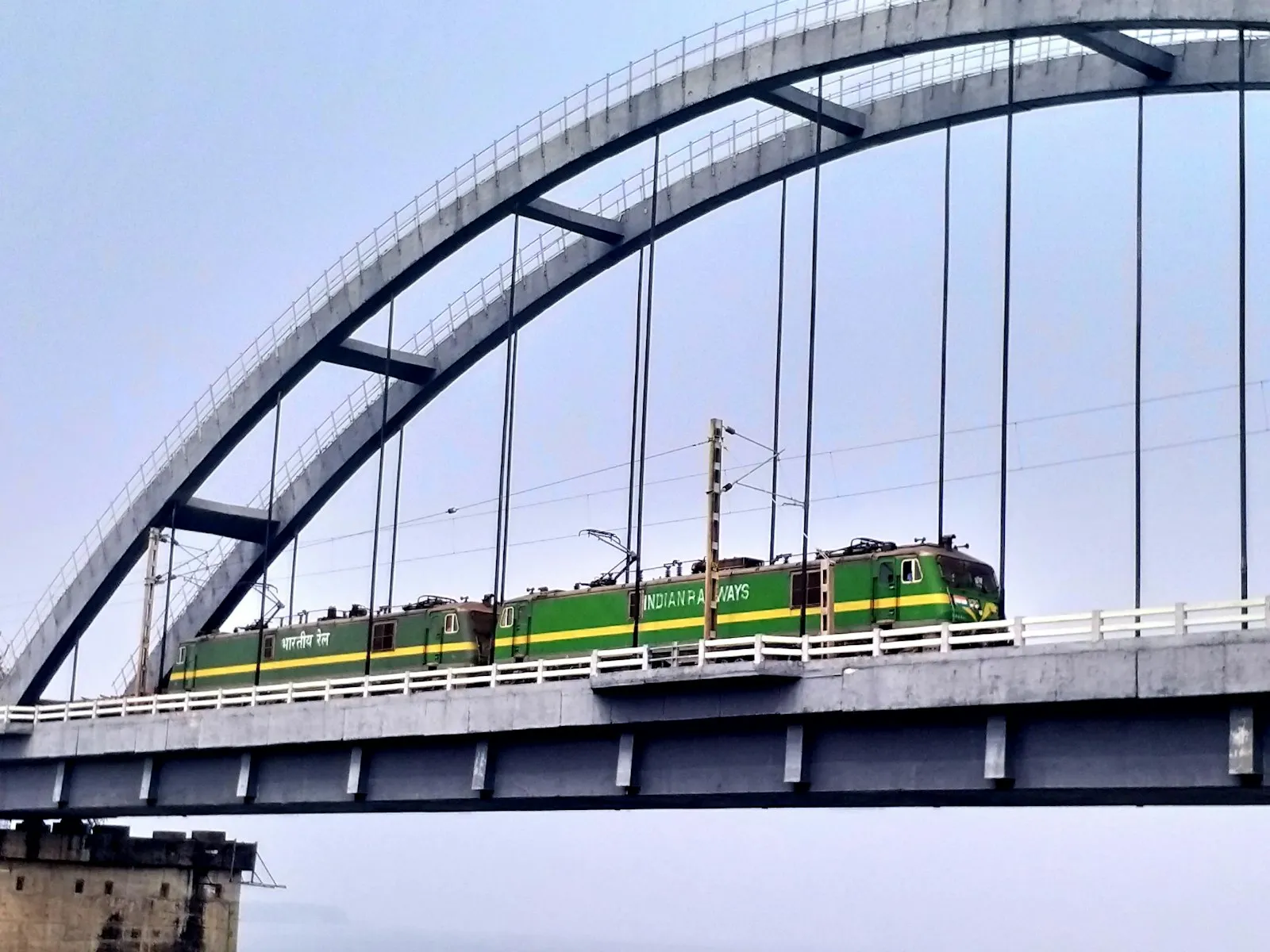
A genuine Nathan AirChime K5LA or Leslie RS-3L pulled off a retired locomotive is the end-game purchase in this hobby — and eBay is where most of them change hands. Before you send four figures to a stranger for a slab of cast aluminum, here is exactly what to verify.
Why real locomotive horns end up on eBay
Every horn on the used market started life bolted to a working locomotive. When railroads retire or scrap a unit, the horn usually survives — scrappers and surplus dealers part locomotives out, and the horns filter down to collectors through eBay, swap meets, and specialty resellers.
The K5LA is the one everybody hunts. Per the Wikipedia history of Nathan Manufacturing, it was developed for Amtrak, and by the later 1980s it had become North America’s most popular locomotive horn — it remains one of the most-used five-chime horns in the world today. That production volume is good news for buyers: decades of retired units mean steady supply, and Nathan (now a division of Micro Precision Group) still manufactures AirChime horns, so consumable internals are available new.
Two regulatory details explain this market. Under the FRA’s locomotive horn rule, an in-service horn must produce 96–110 dB(A) measured 100 feet ahead of the locomotive — these are working safety appliances, built to survive decades outdoors, not decorations. And when 2005 FRA regulations capped maximum horn output, lower-output variants like the K5LLA and K5HL appeared — one reason collectors prize older, hotter-sounding castings.
Know what you’re looking at: K5LA vs RS-3L
These are the two models you will see most often in listings, and the numbers below are your baseline for judging any of them.
| Spec | Nathan AirChime K5LA | Leslie RS-3L |
|---|---|---|
| Bells | 5 | 3 |
| Verified loudness | 149.4 dB at 3 ft (K5 platform) | 144 dB at 100 PSI |
| Chord | B major 6th (D#, F#, G#, B, D#) | Deep 3-chime |
| Weight | 37 lbs | 25 lbs |
| Footprint | 19 x 29.75 x 9.25 in | 26.5 x 17.5 x 9.25 in |
| Air inlet | 1/2-inch NPT | 1/2-inch NPT |
| Reconditioned benchmark price | $4,499.99 | $2,849.99 |
One dating clue from the Nathan Manufacturing history: early K-series horns were sand-cast like the P-series, while later production moved to die-casting. Casting texture is one of the details serious collectors photograph, and it is a fair thing to ask a seller about.
The price reality check
Before you bid on anything, anchor yourself to the professionally refurbished market. HornBlasters sells K5LAs sourced from retired locomotives and fully reconditioned — sandblasted, powder coated, with every diffuser ring, diaphragm, and cushion ring replaced — for $4,499.99. Its reconditioned Leslie RS-3L runs $2,849.99. Those numbers are your ceiling: a raw, untested eBay horn has to be priced well below the refurbished equivalent, because you are the one absorbing the rebuild risk.
The good news is that consumables are cheap on the Nathan side. A K-series diaphragm kit — two stainless steel discs plus a cushion — costs $32.99, and you need one kit per bell, so a complete five-bell refresh on a K5LA is about $165 in parts. Leslies cost more per bell: a replacement RS diaphragm lists at $99.98 (discounted to $59.99 as of this writing), one per bell, so an RS-3L set lands between roughly $180 and $300 depending on pricing. That per-bell cost is why a cheap Leslie with dead internals is not automatically a bargain.
What is not cheap: castings. A cracked bell, a stripped manifold thread, or a missing back cap means hunting vintage parts, and that hunt can cost more than a full diaphragm set. Price every listing as if the internals are dead (they are cheap to fix) and the castings are everything (they are not).
Photos to demand before you pay
Ask the seller for all of these before bidding. A serious seller of a four-figure horn will provide them; hesitation is information.
- Every bell from the front — look straight down each throat for corrosion, dents, or overspray inside
- Every back cap up close — six bolts per cap on a K-series, none missing, heads not rounded off
- The mounting base and manifold — cracks around bolt holes or mounting ears are the deal-killer, not surface oxidation
- Casting marks and finish across all bells — they should match; mixed textures suggest a composite horn built from parts
- A video of the horn blown on shop air — a horn that plays cleanly is a horn with working diaphragms
If a seller will not produce a sound video, price the horn as untested. It might be an afternoon away from perfect — or missing its internals entirely.
Red flags that should kill the deal
- Missing back caps or hardware — the diaphragms behind them are likely gone or corroded, and vintage caps are hard to source
- Fresh, thick powder coat with zero disassembly photos — new paint is exactly what hides welded cracks and filled gouges
- Mismatched bells — each bell is a tuned instrument, and a composite horn will not play the chord the model is famous for
- ’Untested, sold as-is’ at near-refurbished pricing — untested means diaphragm-dead until proven otherwise
- Inflated decibel claims — listings advertising 150 dB or more are quoting folklore; the verified K5 figure is 149.4 dB at 3 feet under proper test conditions
- No returns and no test video together — either alone is negotiable; both on a four-figure horn is a pass
The mismatched-bell problem is worth understanding before you shop, because it is the most common way collectors get burned. Each bell length produces one specific note, and the magic of these horns is the chord. Our guide to why train horns make a chord explains how the tuning works and why a Frankenstein horn never sounds right.
What a professional refurb actually includes
Use HornBlasters’ published reconditioning process as the standard any ‘refurbished’ eBay listing should meet:
- Complete disassembly and stripping of old paint and corrosion
- New internals in every bell — for K-series, each bell holds one diffuser ring, two stainless steel diaphragm discs, and one diaphragm cushion
- New hardware and a fresh powder coat
- Each bell individually bench-tested before shipping
If a listing says ‘refurbished’ but cannot itemize what was replaced — full teardown, new stainless diaphragm discs and cushions, new hardware, per-bell testing — read it as repainted, not rebuilt.
Rebuilding one yourself is realistic
Per HornBlasters’ K-series rebuild guide, servicing a Nathan bell is a hand-tools job. Each back cap comes off with six bolts. Inside, the diaphragm cushion sits sandwiched between the two stainless discs; the guide recommends loading the discs and cushion into the back cap first, then reinstalling the cap onto the bell. Run the bolts in finger-tight, then snug them down alternating corners for even pressure — and do not over-tighten, because you can warp the aluminum. Each bell is then tested individually with a rubber-tipped blowgun at the small inlet hole (about 3–4 mm) between the mounting ears. That is the entire service procedure: hand tools, an afternoon, and roughly $165 in parts for all five bells of a K5LA.
After you buy: feeding a real locomotive horn
Both horns take a 1/2-inch NPT air feed and want serious volume behind it — this is where most first-time buyers under-build. Note that the RS-3L’s documented 144 dB figure comes at just 100 PSI, so you do not need exotic pressure; you need tank volume and a compressor that can recover between blasts. Our complete train horn buyer’s guide covers compressor and tank sizing for exactly this kind of build, and if you are weighing a real locomotive horn against a modern aftermarket kit, the loudest train horns in the world shows how reconditioned locomotive horns stack up against consumer kits. One last thing before street use: a real locomotive horn out-shouts every noise ordinance ever written, so check city decibel limits first.
Keep reading
- The Complete Train Horn Buyer’s Guide 2026 — compressors, tanks, and kits if a used locomotive horn is not the right fit
- The Loudest Train Horns in the World — where the K5LA and RS-3L rank against everything else
- Why Train Horns Make a Chord — the tuning knowledge that protects you from mismatched-bell listings
- Nathan AirChime K5LA Review — our full breakdown of the most-hunted horn on the used market
- Leslie RS3L Supertyfon Review — the deep-toned 3-chime alternative
Sources
- HornBlasters — Nathan AirChime K5LA product page — reconditioned K5LA price ($4,499.99), 37 lb weight, dimensions, 1/2-inch NPT port, sourcing from retired locomotives, and the reconditioning process (sandblast, powder coat, new diffuser rings, diaphragms, cushion rings)
- HornBlasters — Leslie RS-3L product page — RS-3L price ($2,849.99), 144 dB at 100 PSI, weight, dimensions, port size
- HornBlasters — Nathan AirChime K-Series Diaphragm Kit — $32.99 kit price, two diaphragms plus cushion, one kit per bell
- HornBlasters — Leslie Replacement Diaphragm (RS Horns) — $99.98 regular / $59.99 sale price, stainless steel, one diaphragm per bell
- HornBlasters — Nathan AirChime K5LA/K5HA Rebuild Guide — per-bell internals, six-bolt back cap, reassembly sequence, warp warning, blowgun bench-testing
- HornBlasters — Why Fake Decibel Ratings Mislead Buyers — verified K5 measurement of 149.4 dB at 3 feet
- Wikipedia — Nathan Manufacturing — K5LA Amtrak origin, late-1980s popularity, B major 6th chord and note list, sand-cast vs die-cast production, Micro Precision Group ownership, post-2005 lower-output variants (K5LLA, K5HL)
- Cornell LII — 49 CFR § 229.129 — FRA requirement of 96–110 dB(A) measured 100 feet forward of the locomotive
Frequently asked questions
Quick answers to the questions people ask most about this topic.
- How much is a used Nathan K5LA worth?
- Professionally reconditioned K5LAs sell for $4,499.99 from major resellers, and that figure is the ceiling for any eBay listing. A raw, untested horn should be priced well below it, since you absorb the rebuild risk — budget about $165 in diaphragm kits for a full five-bell refresh.
- Are the locomotive horns on eBay real?
- Many are genuine horns pulled from retired or scrapped locomotives, but composite horns assembled from mismatched bells are common. Compare casting texture and finish across all bells, and demand close-up photos of every back cap and the mounting base before paying.
- How much does it cost to rebuild a Nathan K5LA?
- A K-series diaphragm kit with two stainless discs and a cushion costs $32.99, and each of the five bells needs one kit, so a complete refresh runs about $165 in parts. Each back cap comes off with six bolts, so it is a hand-tools job you can finish in an afternoon.
- Can you run a real locomotive horn on a truck?
- Yes — both the K5LA and RS-3L use a 1/2-inch NPT inlet and run on truck onboard-air systems; the RS-3L is documented at 144 dB on just 100 PSI. You need generous tank volume and a strong compressor, and you should check local noise ordinances before ever using it on the street.
- What does the LA in K5LA stand for?
- Per the Nathan Manufacturing history, the L denotes the low-profile manifold and the A denotes American tuning, distinguishing it from Canadian tuning. The K5LA plays a B major 6th chord (D#, F#, G#, B, D#) and was originally developed for Amtrak.
Related reviews & guides
Buying a Used Train Horn Kit on Facebook Marketplace: Checklist
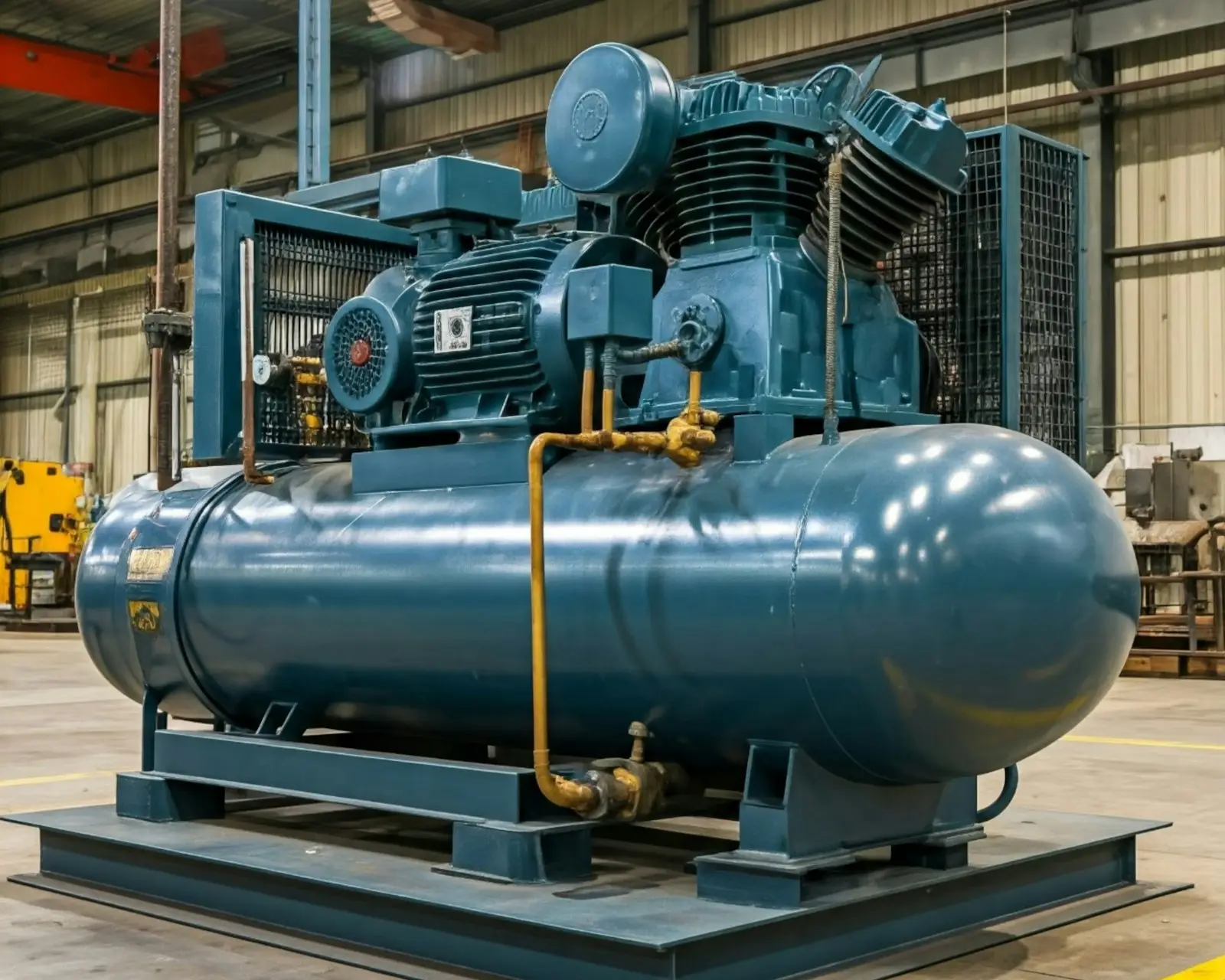
Train Horn Compressor Buying Guide: PSI, Duty Cycle & Recovery
Makita, Bauer & Kobalt Battery Train Horns: Other Platforms Compared
Best Train Horn for a Bicycle or E-Bike: AirZound vs Air Builds
Best Train Horn for Toyota 4Runner: Kits, Mounting & Fitment (2026)