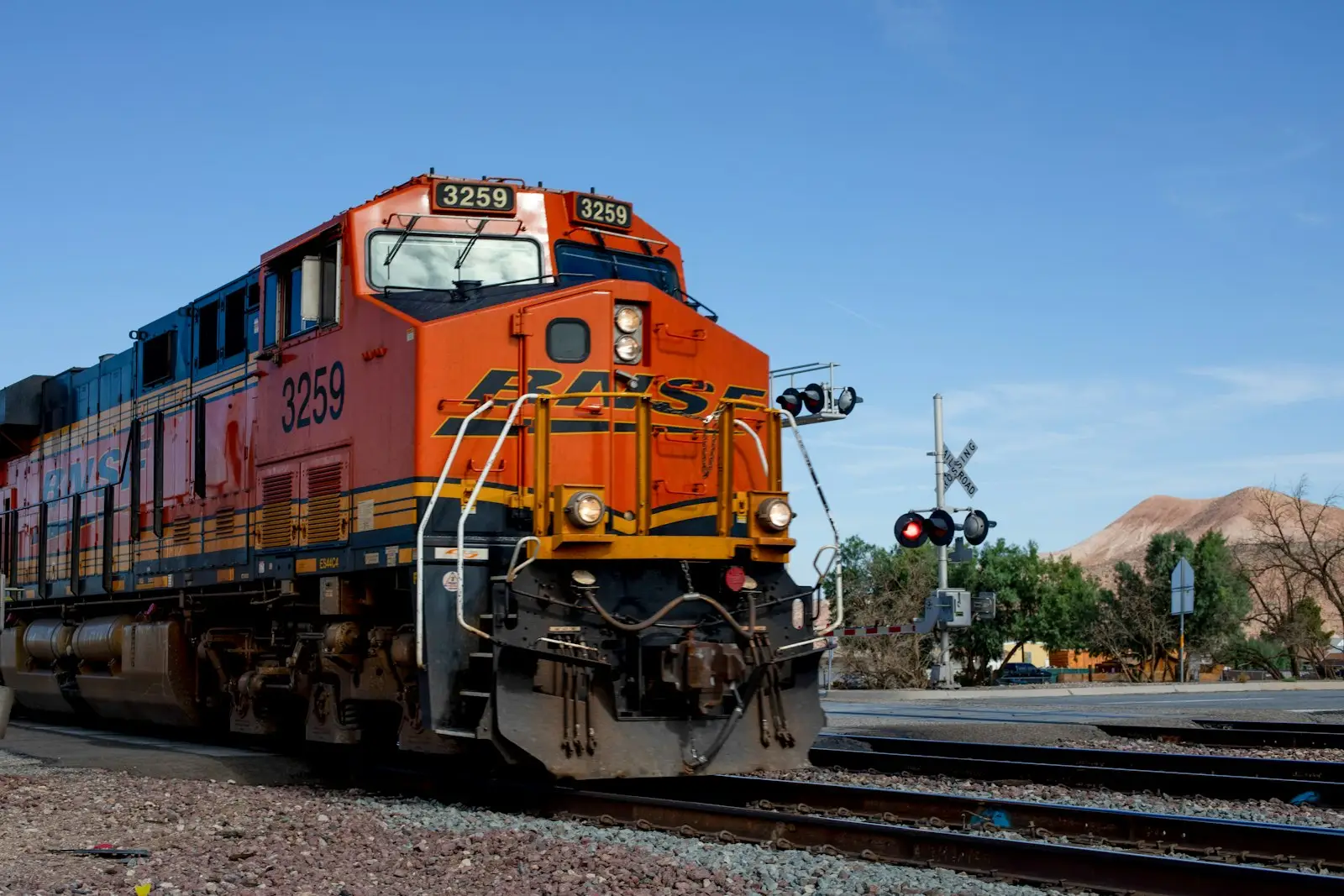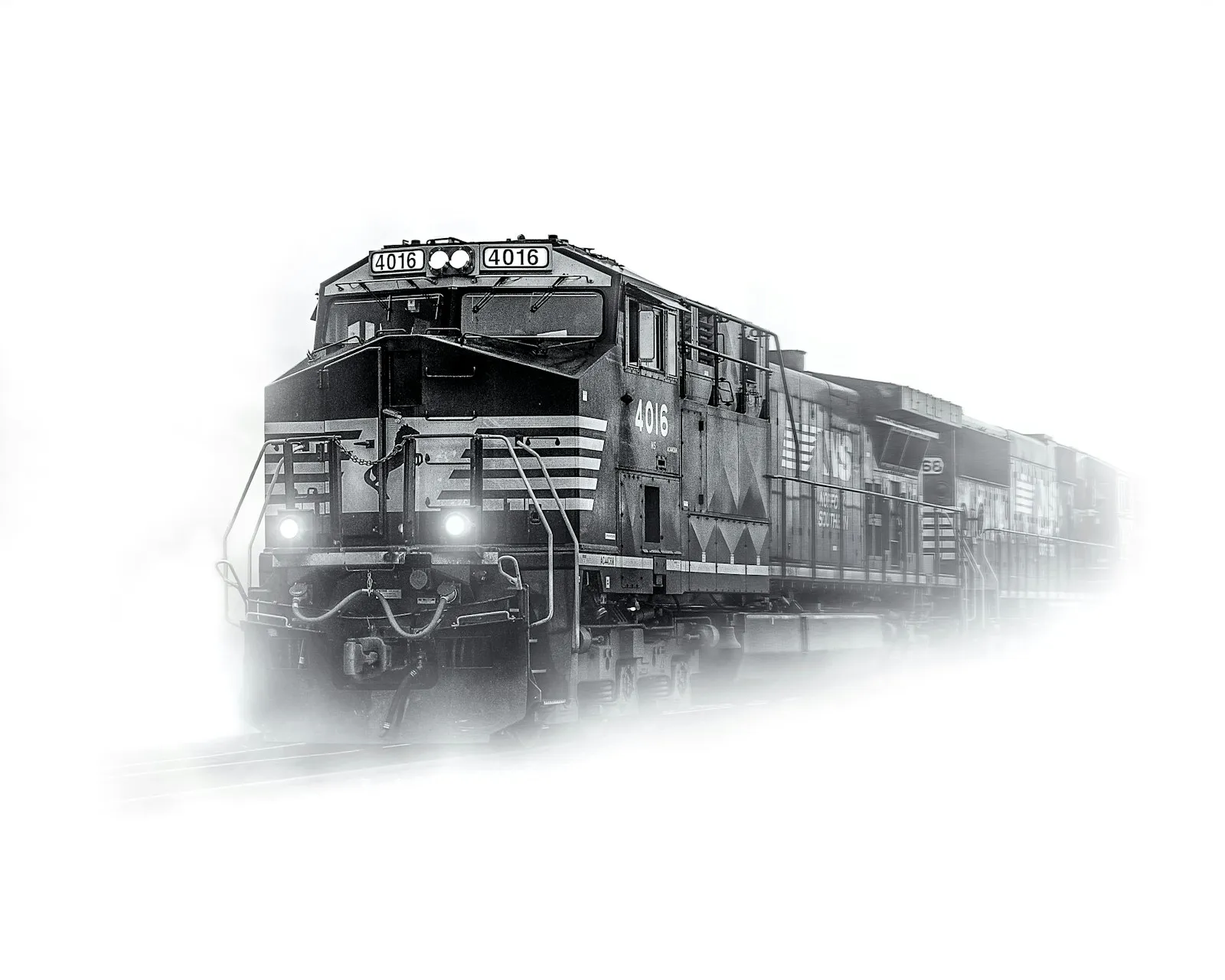
- +Genuine Nathan AirChime locomotive horn on the real kettle-drum bell platform, not a stamped-trumpet imitation
- +Distinctive dark, half-diminished chord (≈ C min 7♭5) no common truck horn reproduces
- +Wide 90–140 PSI operating range tolerates imperfect aftermarket air systems
- +Cast construction with individually replaceable bells (#1L, #1, #2, #3, #4)
- +Standard 1/2″ NPT inlet plumbs cleanly into a serious air setup
- −≈ $1,700 for the bare horn with no air system included; a full build approaches $5,000
- −≈ 40 lb requires a structural frame mount, not a bumper bracket
- −No model-specific dB rating, test distance, or warranty published
- −Chord varies with the KS-1L bell vintage fitted, so tone can differ unit to unit
- −Narrow B2B-only buying channels through a few specialty resellers
Methodology
This review aggregates publicly available information from manufacturer specifications, specialty aftermarket retailer listings, Wikipedia’s catalog of Nathan Manufacturing horn models, and railfan/enthusiast tuning references. We do not perform hands-on testing of locomotive air horns. Numeric specs are drawn from the Locomotive Parts Supply listing for the K5HL and cross-checked against Nathan K-series documentation; chord and bell data come from published enthusiast tuning charts. Last reviewed: September 8, 2026.
Quick verdict
The Nathan AirChime K5HL is a genuine five-chime locomotive horn — the same kettle-drum bell platform that voices real freight power — but tuned to a darker, more dissonant cluster than the familiar K5LA. In editorial opinion it is a connoisseur’s locomotive horn: you buy it specifically because you want the unsettling, half-diminished “modern road power” sound rather than the warm major-sixth most people picture when they think “train.” At roughly $1,700 for the bare horn it is expensive, heavy, and air-hungry, and the manufacturer publishes no model-specific decibel figure. As of our September 2026 re-check, the Locomotive Parts Supply listing is marked sold out, so expect to wait for a restock or hunt the used market. We rate it 4.4/5 for the narrow set of buyers who know exactly which chord they are after.
What it is
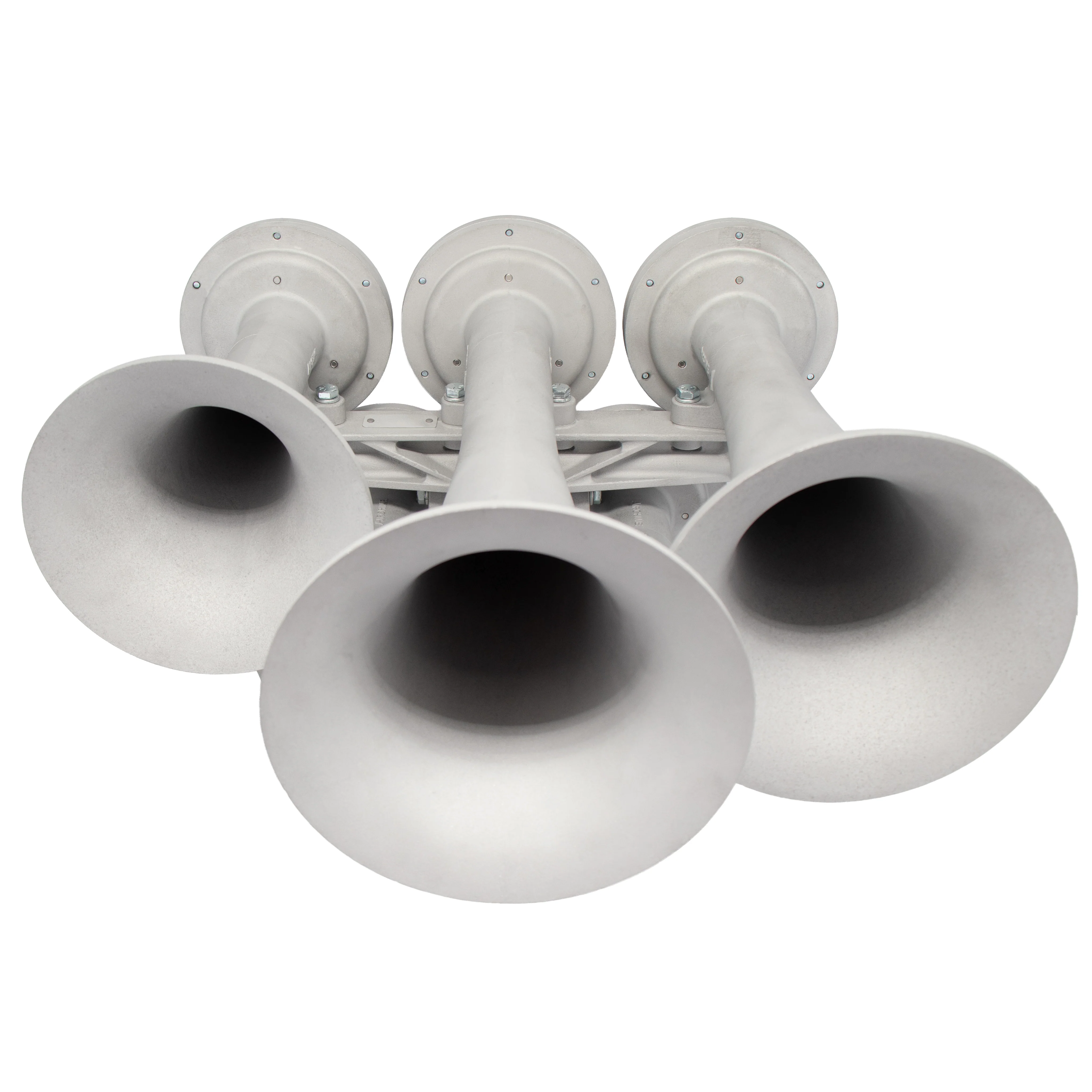
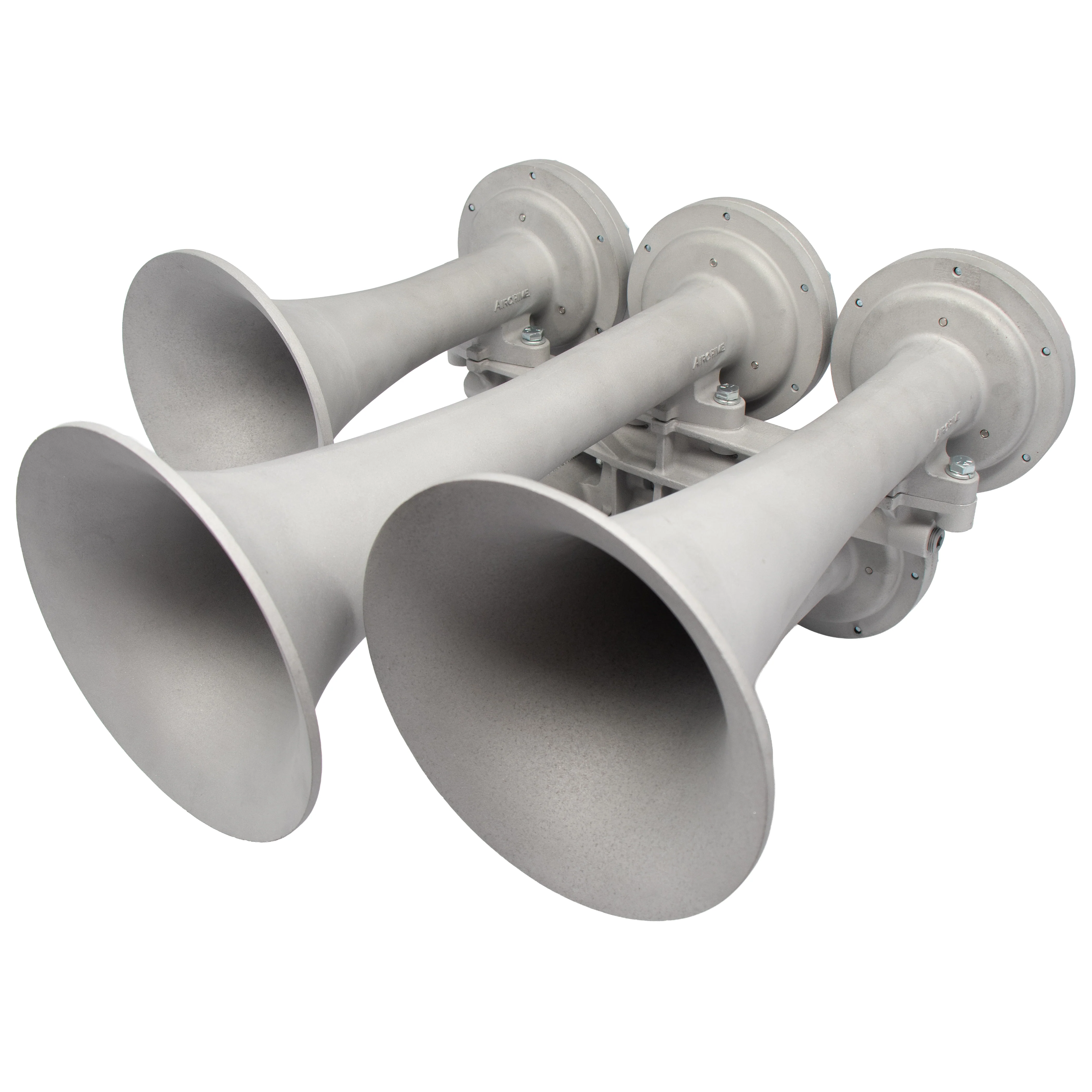
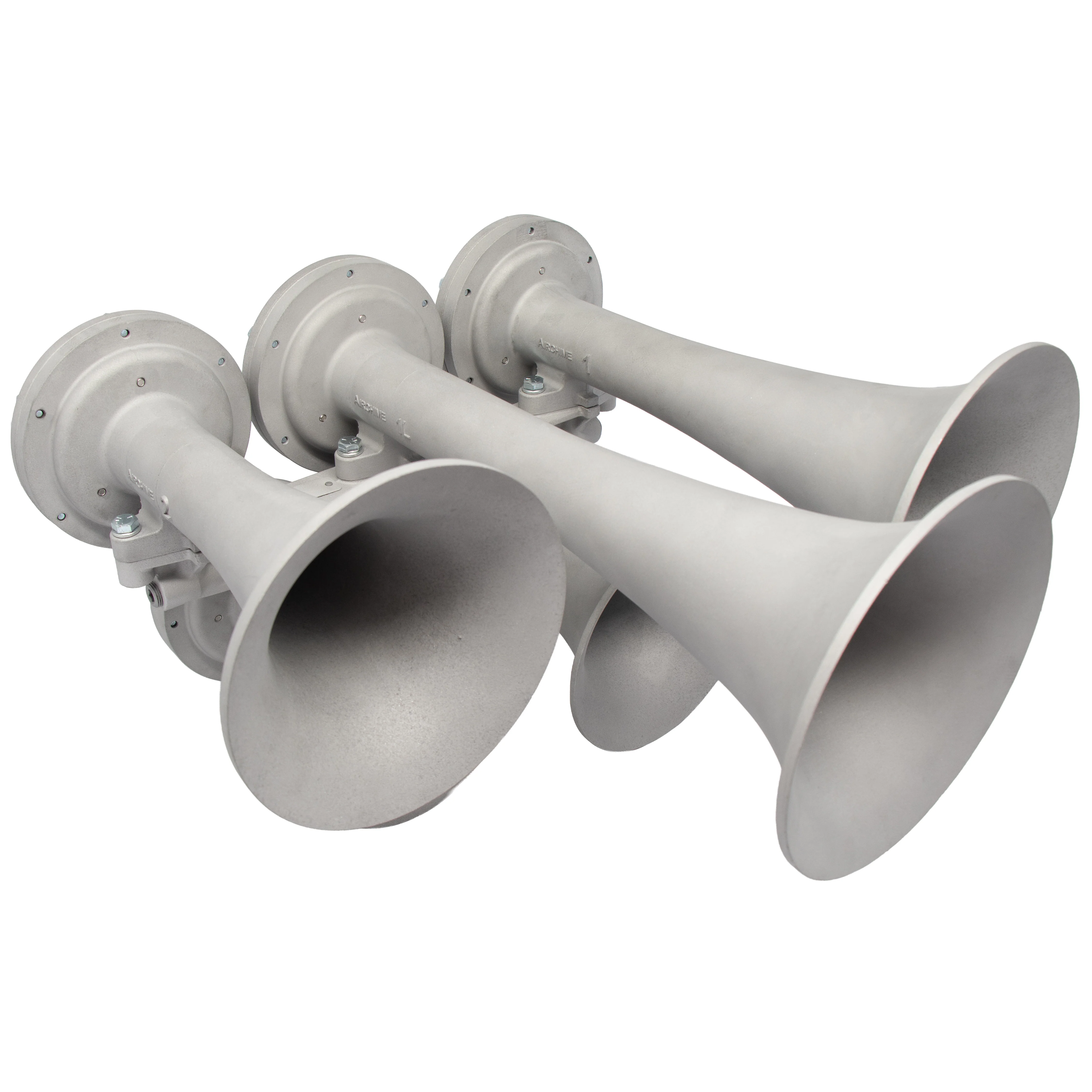
The K5HL is a five-chime cast locomotive air horn built by Nathan AirChime (now a brand under Nautilus Integrated Solutions). The designation decodes the way the rest of the K-series does: K for the kettle-drum double-diaphragm bell design, 5 for five tuned bells on one manifold, and the trailing letters for the specific bell layout. The K5HL is essentially a K5H manifold with the high KS-5 bell swapped out for a low KS-1L bell, so its bell set reads #1L, #1, #2, #3, and #4.
That single swap is the whole point. Where the K5LA reads as the warm, instantly recognizable “American freight” chord, the K5HL drops a low bell into the stack and produces a tighter, more clustered, more dissonant voice. It is one of the post-2005, reduced-noise-era L-series voicings that proliferated on newer North American road power, and railfans frequently describe its tone as “unsettling” or “haunting” relative to the K5LA. It is aimed squarely at the locomotive-horn hobbyist building a faithful on-vehicle or stationary replica — not at someone shopping for a bolt-on truck horn.
The chord
The K5HL’s character lives in its bell stack. Using published K-series tuning references, the five bells land approximately at:
| Bell | Note | Approx. frequency |
|---|---|---|
| #1L | C4 (later 1-piece cast) | ~261 Hz |
| #1 | D♯4 | ~311 Hz |
| #2 | F♯4 | ~370 Hz |
| #3 | A♯4 | ~470 Hz |
| #4 | C5 (octave) | ~512 Hz |
With the later one-piece KS-1L bell sounding a C, the resulting voicing is commonly catalogued as a C minor 7♭5 (half-diminished) cluster — C / D♯ / F♯ / A♯ / C — which is exactly the dark, tense quality enthusiasts associate with the K5HL family and its reduced-noise K5HL-R2 derivative. Enthusiast sources note that early two-piece KS-1L bells instead sounded a B, shifting the chord toward a major-sixth feel, so the exact tone you get depends on the vintage of the #1L bell installed. If the precise chord matters to you, confirm the bell set before buying. Our chord and trumpet-tuning guide explains why five tuned bells beat a single trumpet for carrying power.
Specifications
All figures below are from the Locomotive Parts Supply K5HL listing unless noted; the platform-level decibel figure is an independently reported measurement of the K5 bell platform (measured at 3 feet), not a model-specific K5HL rating.
| Spec | Value |
|---|---|
| Configuration | 5-chime locomotive manifold |
| Bells | #1L, #1, #2, #3, #4 |
| Chord | Dark half-diminished cluster (≈ C min 7♭5) |
| Material | Cast manifold and bells |
| Weight | ≈ 40 lb (horn only) |
| Dimensions | 19″ L × 20.25″ W × 13″ H |
| Air inlet | 1/2″ NPT |
| Operating pressure | 90 – 140 PSI |
| Sound output (K5 platform) | ≈ 149.4 dB at 3 ft (independent K5-platform measurement; no K5HL-specific figure published) |
| FRA in-service window | 96 – 110 dB measured 100 ft ahead (regulatory, not a product rating) |
| Standalone horn price | $1,699.95 USD (Locomotive Parts Supply list price; listing marked sold out as of September 2026) |
| Warranty | Not published for the bare horn |
What’s in the box
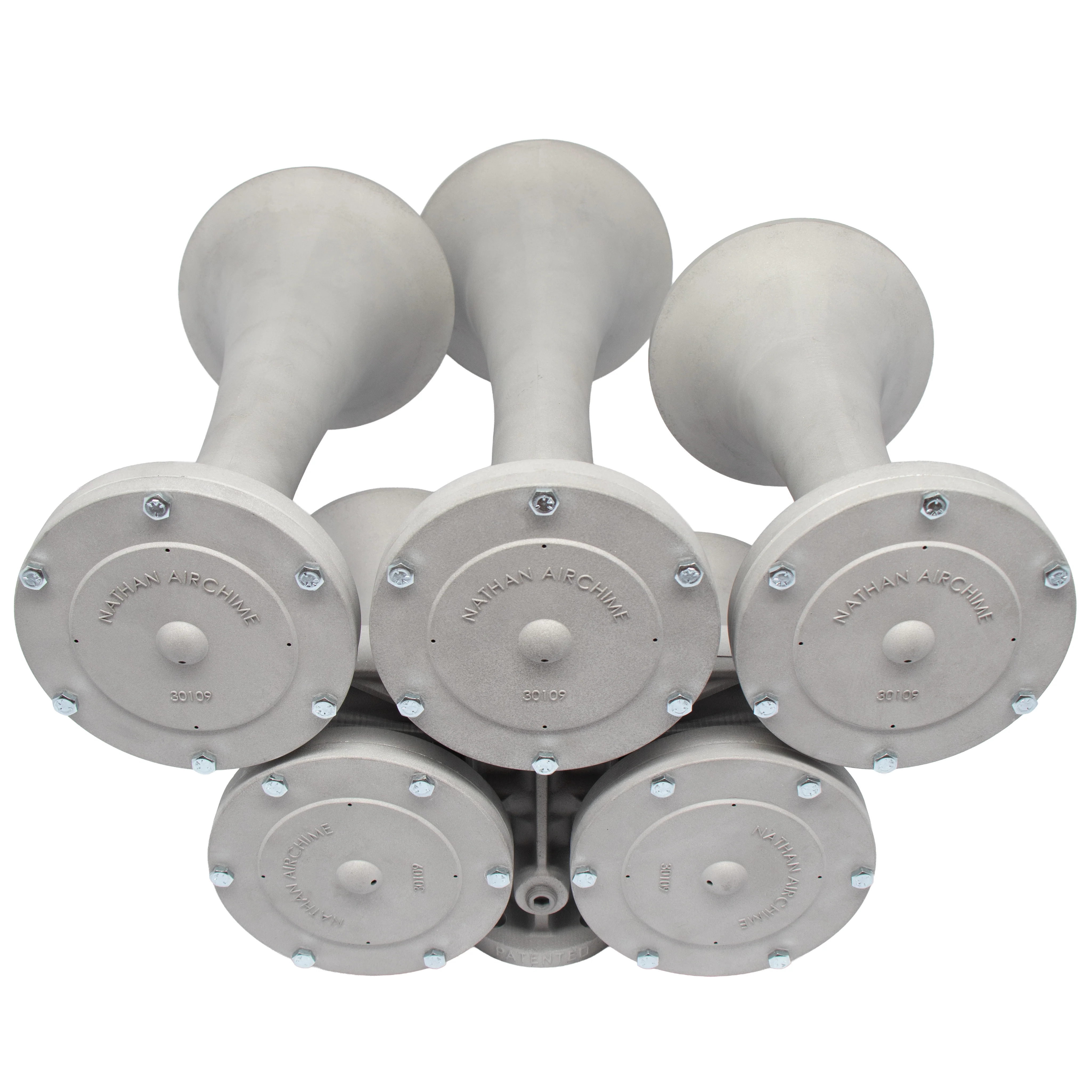
The K5HL is sold as a standalone horn, not a complete kit. The Locomotive Parts Supply listing describes it as the K5HL manifold fitted with its five bells — and nothing else. To make it sound you supply the entire air system yourself.
- K5HL five-bell manifold (#1L, #1, #2, #3, #4)
- 1/2″ NPT air inlet for connection to your own plumbing
What is not included — and what you must budget for separately:
- Air tank (5-gallon minimum recommended for a usable blast)
- Compressor (a 1NM-class or better, 150 PSI cut-out unit)
- Electric solenoid valve (1/2″ minimum to feed five bells)
- Wiring, relay, fuse holder, push button, and air line
Pros
- A real Nathan AirChime locomotive horn on the same kettle-drum bell platform used on actual road power — not a stamped-trumpet imitation.
- Distinctive dark, dissonant chord (≈ C minor 7♭5) that no common truck horn reproduces — the signature “modern fleet” voice.
- Wide 90–140 PSI operating range tolerates imperfect aftermarket air systems.
- Cast construction with individually replaceable bells means a damaged bell can be swapped rather than scrapping the manifold.
- 1/2″ NPT inlet is a standard size that plumbs cleanly into a serious air setup.
Cons
- Roughly $1,700 for the bare horn, with no air system included — a complete build climbs toward $5,000 like its K5LA sibling.
- ≈ 40 lb requires a structural frame mount and bracket, not a bumper clamp.
- No model-specific decibel rating, test distance, or warranty published — acoustic and coverage claims have to lean on platform-level data.
- The chord depends on which KS-1L bell vintage is fitted, so the exact tone can vary unit to unit.
- Narrow buying channels: Nathan sells B2B only, so consumers go through a small handful of specialty resellers.
- The dissonant voicing is polarizing — many buyers will prefer the warmer K5LA.
Alternatives
- Nathan AirChime K5LA — the same five-chime platform tuned to a warm B major 6th, the default “American freight” sound used across most of the U.S. fleet. Pick it if you want the chord most people recognize as “a train.” See the full Nathan brand hub for the rest of the K-series lineup.
- Nathan AirChime K3LA — the three-chime cousin: lighter, cheaper, and less air-hungry, common on commuter cab cars. Pick it if your air system can’t sustain five bells or you want a smaller package.
- Nathan AirChime P5 — a five-chime alternative with its own distinct voice and a slightly more attainable footprint. A good cross-shop if you like the five-bell format but not the K5HL’s specific cluster.
Install / compatibility notes
The K5HL makes no sound on its own — it is a bare manifold with a 1/2″ NPT inlet, and everything upstream of that inlet is your responsibility.
- Air supply. Five bells flowing at once is a high-demand load. Plan on a 5-gallon (or larger) tank and at least one 1NM-class compressor with a 150 PSI cut-out; a 5-gallon tank yields only a handful of seconds of clean blast before pressure sags below the 90 PSI floor.
- Valve. Feed all five bells through a 1/2″ electric solenoid valve. Undersizing the valve starves the bells and muddies the chord.
- Mounting. At ~40 lb and 20″+ wide, the horn needs a welded or heavily bolted bracket on a frame member — not sheet metal. Mount bells angled slightly downward so water drains out rather than pooling on the diaphragms.
- Electrical. Wire the compressor and solenoid through proper relays with a fused supply; see our relay wiring guide.
On legality: a horn on the K5 platform measured near 150 dB at close range vastly exceeds the roughly 110 dB ceiling most U.S. state vehicle codes set for road horns. Realistically the K5HL is an off-road, agricultural, marine, or stationary-display piece if you want to stay legal — check our legal hub and run the numbers on the decibel-distance calculator. For context on how the FRA itself regulates these horns at crossings, the federal Train Horn Rule sets an in-service window of 96–110 dB measured 100 feet ahead of the locomotive.
Sources
- Locomotive Parts Supply — Nathan AirChime K5HL Locomotive Train Horn — bell set (#1L/#1/#2/#3/#4), 90–140 PSI, ≈40 lb weight, 19″×20.25″×13″ dimensions, 1/2″ NPT, $1,699.95 price (listing marked sold out as of September 2026), product photos
- Wikipedia — Nathan Manufacturing — K-series model/chord catalog, K5HL developed for GE post-2005, K5HL-R2 C minor 7♭5 chord and reduced-noise variant context
- HornBlasters — Why Fake Decibel Ratings Mislead Buyers — Nathan K5 platform measured at ≈149.4 dB at 3 feet
- Wikipedia — Train horn — chord-horn physics and Nathan/Leslie market context
- Locomotive Wiki — Nathan AirChime K-series Air Horns — K5H vs K5HL bell-swap (KS-5 to KS-1L), discordant-chord description
- Horn and Whistle Forum — Nathan K Horns Tuning and Timeline (forum thread, viewtopic t=7) — individual K-bell tuning notes and frequencies; the forum site was offline as of September 2026, so the link has been removed
- FRA — Train Horn Rule & Quiet Zones — 96–110 dB at 100 ft in-service horn window
A genuine five-chime locomotive horn for the buyer who specifically wants the K5HL's dark, dissonant 'modern road power' voice rather than the warm K5LA chord — premium-priced, heavy, and air-hungry, so strictly a hobbyist or display piece.
Frequently asked questions
Quick answers to the questions people ask most about this topic.
- What does the Nathan K5HL sound like?
- It plays a dark, dissonant five-bell cluster — commonly catalogued as a C minor 7♭5 (half-diminished) voicing of roughly C, D♯, F♯, A♯, and C — using bells #1L, #1, #2, #3, and #4. Enthusiasts describe it as more 'unsettling' than the warm B major 6th of the K5LA.
- How is the K5HL different from the K5LA?
- Both are five-chime horns on the same Nathan kettle-drum platform, but the K5HL uses a low KS-1L bell in place of the K5LA's high bell, shifting the chord from a warm major sixth to a darker half-diminished cluster. The K5LA is the common 'American freight' sound; the K5HL is the moodier, less common variant.
- How loud is the K5HL?
- Nathan and its resellers do not publish a model-specific decibel figure for the K5HL. The broader K5 bell platform has been independently measured at about 149.4 dB at 3 feet, and the FRA's Train Horn Rule requires locomotive horns to fall between 96 and 110 dB measured 100 feet ahead in service.
- What does the K5HL cost and what's included?
- Locomotive Parts Supply lists the standalone K5HL horn at $1,699.95, though the listing was marked sold out when we re-checked in September 2026. That price is the manifold and its five bells only — no tank, compressor, valve, or wiring — so a complete working build climbs toward $5,000 once you add the air system.
- Is the K5HL legal to put on a road vehicle?
- Generally no for normal road use. A K5-platform horn near 150 dB at close range far exceeds the roughly 110 dB ceiling in most state vehicle codes. It is realistically an off-road, agricultural, marine, or stationary-display piece.